The confusion everyone has
When you hear "lemon vibrator," your brain probably imagines something that works like every other vibrator you've encountered. It buzzes. It vibrates. Maybe it has different speeds. That's where most people get it wrong.
Lemon clitoral vibrators from Hello Nancy use suction technology, not traditional vibration. This is the core difference, and it changes everything about how the sensation feels, what it builds, and whether it might work better for your body than a conventional vibrator.
Here's what you need to know to make an actual choice.
What traditional vibrators do
A traditional vibrator works through oscillation. The motor inside creates rapid back-and-forth or circular motion that directly stimulates the tissue. This is the familiar sensation most people associate with any handheld toy. It's direct mechanical pressure applied at varying speeds and patterns.
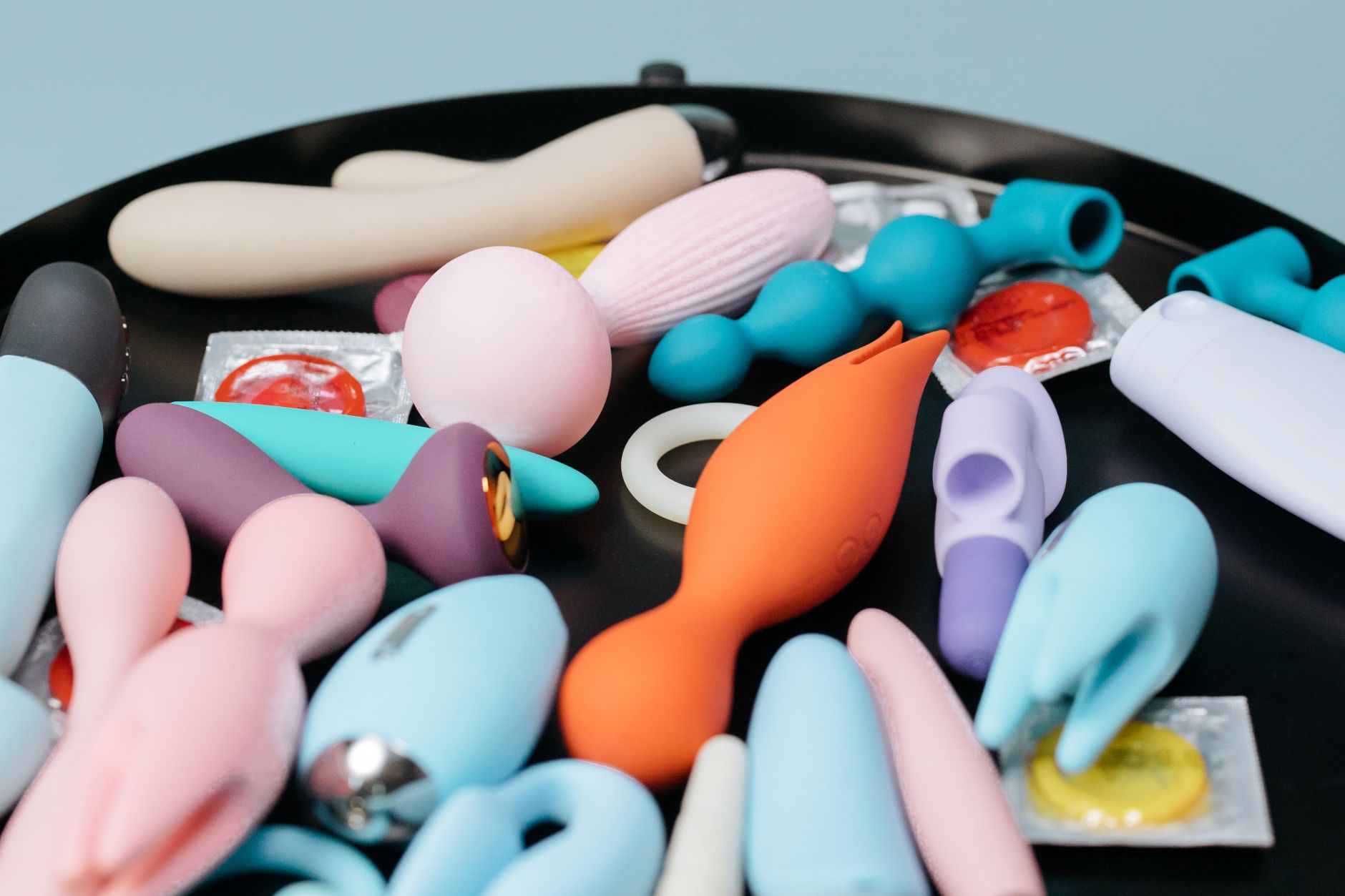
Traditional vibrators come in tons of shapes: wands, bullets, rabbits, egg vibrators, and more. What they share is the fundamental mechanism. The stimulation intensity typically increases with speed. You turn up the vibration level and feel more sensation. For many people, this is intuitive and predictable.
The strength of traditional vibrators is consistency. The sensation is straightforward. You know roughly what to expect from speed one versus speed five. The pattern stays the same across different body types and arousal states. This predictability helps lots of people relax into pleasure.

Photo by cottonbro studio on Pexels
What lemon vibrators actually do
A lemon vibrator creates gentle suction combined with subtle pulsing. Instead of buzzing directly against the clitoris, it creates a seal around the sensitive tissue and draws it in rhythmic waves. Think less "jackhammer" and more "slow, sustained pull."
This matters because the clitoris has thousands of nerve endings concentrated in a tiny area. Traditional vibration is intense stimulation delivered fast. Suction is more about sustained sensation and building arousal gradually. The lem vibrator creates a pressure change rather than mechanical friction.
When you're using a lemon sucker, you're not feeling direct vibration against tissue. You're feeling the tissue respond to changes in pressure and gentle movement inside the suction cup. This produces a fundamentally different kind of pleasure. Many people describe it as deeper, more enveloping, or less overwhelming than traditional vibrators.
The intensity of a lemon clitoral vibrator doesn't work like speed levels on a traditional toy. Pattern one on the lem doesn't mean a softer version of pattern five. Each setting creates a different rhythm of suction and release. Some people find one pattern they love and never change it. Others move between patterns depending on their arousal state and mood.
The neuroscience underneath
Your nervous system processes vibration and suction through different sensory pathways. Vibration at high frequency (most traditional vibrators operate around 50-150 Hz) travels through one set of nerve fibers. Suction and pressure changes activate different receptors entirely.
This is why someone can hate traditional vibrators and adore a lemon vibrator. Or love both for different reasons. They're not hitting the same neurological buttons. When you're choosing between them, you're not just picking a toy. You're picking which sensory pathway you want activated.
For people with sensitive clitorises, suction often feels less jarring than direct vibration. The sensation is contained within the cup rather than transmitted directly to the tissue. For people who need more stimulation, traditional vibrators can deliver intensity more aggressively. Neither is objectively better. Your nervous system determines which one clicks.
Body factors that tip the scale
Different anatomy responds differently to each approach. If your clitoris is more internal or hooded, suction can actually create more effective stimulation because it draws the tissue forward and creates visibility and access. Traditional vibrators work fine too, but you might need to angle or adjust more.
Tissue thickness matters. Thinner tissue, which is common postpartum, after menopause, or with certain medical conditions, often feels more comfortable with suction than with persistent mechanical friction. The lem vibrator spreads stimulation across a wider area through the suction cup rather than concentrating it at a single point.
If you have a larger vulva or more prominent labia, both tools work. But lemon vibrators can sometimes feel more secure and targeted because they create a seal. Traditional vibrators require more deliberate placement.
Your baseline sensitivity also matters. If you're dealing with a sensitive clitoris after trauma or recovery, suction's gentler, wider stimulation often feels more approachable than direct vibration. That said, plenty of people with sensitive tissue love certain traditional vibrators too. The device matters less than how it interacts with your specific body.
Speed, intensity, and the pleasure curve
Here's a practical difference: traditional vibrators build intensity linearly. You control sensation through one main variable. Lemon vibrators control intensity through pattern selection, positioning within the cup, and how firmly you press against your body.
With a traditional vibrator, reaching orgasm often feels like climbing a hill at a steady gradient. With a lemon sucker, the journey feels more like waves. Some patterns build arousal slowly and continuously. Others pulse and release, which some people find helps them edge and control timing better.
If you prefer a predictable path to orgasm, traditional vibrators might feel more straightforward. If you like more control over the rhythm and like sensation that rises and falls, a lemon clitoral vibrator might feel more intuitive. Different sensitivity levels require different approaches, and lemon vibrators offer more granularity in how sensation changes.
Partner play and logistics
Traditional vibrators tend to be more familiar to partners. If you're exploring toys together, a standard vibrator is recognizable and feels less intimidating. Lemon vibrators require a learning curve. Once your partner understands how suction works, many couples find it actually easier to incorporate during partnered sex because suction doesn't require the same precise angle that direct vibration does.
For solo pleasure, either works great. For partnered use, you'll want to think about communication and comfort. Some couples love using a lemon vibrator together because the sensation is different enough that it feels like genuine novelty, not just a faster version of their hands.
Portability and discretion? Traditional vibrators often win. Wands and bullets are tiny and pack easily. Lemon vibrators are slightly bulkier because of the suction cup. Neither is a deal-breaker unless you're traveling with limited space.
The noise question
Traditional vibrators vibrate. They make a humming sound. Some are quieter than others, but the sound is inherent to how they work. Lemon vibrators are much quieter because they're creating suction and subtle pulsing, not mechanical vibration. If noise matters to you, this is a real advantage of suction toys.
Sound carries different weight for different people. If you live with family, share a wall with neighbors, or just hate vibrator noise during sex, suction feels almost silent by comparison. This alone drives some people to switch.
Cost and longevity
Pricing varies wildly in both categories. A decent traditional vibrator can cost anywhere from thirty dollars to two hundred. Same with lemon vibrators and other suction toys. Neither technology is inherently more expensive.
Battery life and durability are similar too. Both charge via USB, last around two hours on a charge, and should last years if you care for them properly. Suction toys sometimes develop slight air leaks over time, but quality products from Hello Nancy are built to last.
If you're buying your first toy, you're not making a permanent choice. You can try a lemon vibrator, discover you adore it, and still buy a traditional vibrator later for variety. Most people who've explored both end up with at least one of each.
How to actually choose
Start with what you know about your body. Have traditional vibrators worked well for you? Then a lemon vibrator offers novelty and a different sensation pathway. You might love it, or you might realize you prefer what you already have. Both outcomes are information.
Have traditional vibrators felt too intense or left you numb? Suction might feel revelatory because the sensation builds differently. Or it might not be your thing either. The only way to know is try.
Think about your pleasure timeline. If you like quick, straightforward orgasms, traditional vibrators often deliver that. If you like to edge, explore different sensations, and take your time, lemon vibrators' varied patterns might feel more engaging.
Consider your body. If you're postpartum, menopausal, dealing with tissue sensitivity, or just curious about whether suction might feel better, a lemon clitoral vibrator is worth exploring. Hello Nancy's Lem vibrator is designed specifically for sustained pleasure and works beautifully for lots of body types.
Honestly? Most people end up liking both for different reasons. Some days a traditional vibrator hits the spot. Other days you want the slow-build sensation of suction. Having options is the whole point.
People also ask
Are lemon vibrators actually better than traditional vibrators?
Not objectively. They create different sensations through different mechanisms. Whether one is "better" depends entirely on your body and what feels good to you. Some people strongly prefer suction. Others find traditional vibration more effective. Many people love both. The key is trying and listening to what your body tells you.
Can you use a lemon vibrator if you've never used a vibrator before?
Absolutely. The lem vibrator from Hello Nancy is intuitive for beginners because the sensation is less jarring than high-frequency vibration. The suction feeling is unusual at first, but once you understand what's happening, it often feels natural. You don't need experience with traditional vibrators to enjoy a lemon sucker.
Do lemon vibrators work for people with numb or desensitized clitorises?
Sometimes better than traditional vibrators, sometimes not. If numbness comes from overstimulation by high-frequency vibration, suction's gentler approach might help your sensitivity return. If numbness has other causes, the toy type matters less than addressing the underlying issue. A healthcare provider can help if numbness persists.
Is suction or vibration better after menopause or during sensitive periods?
Suction often feels more comfortable for post-menopausal bodies or during times of tissue sensitivity because it doesn't require the same friction that direct vibration does. That said, plenty of people in all these categories prefer traditional vibrators. It's individual. If you're exploring options after a life change, suction is definitely worth trying.
Can you use both kinds of vibrators at the same time?
Yes. Some couples use a lemon vibrator for clitoral pleasure while using a traditional vibrator or other toy for internal stimulation simultaneously. The different sensations can layer beautifully. You can also alternate between them or use them on different days to vary your solo practice.
How long does it take to adjust to using a lemon vibrator?
Most people adjust within one or two sessions. The sensation feels foreign at first because it's different from what you might expect from a vibrator. Once your nervous system recognizes the suction pattern as pleasurable, it clicks. Give it at least two or three tries before deciding if it's right for you.
The actual takeaway
Lemon vibrators and traditional vibrators work through completely different mechanisms. One isn't secretly better than the other. They're just different tools that hit different pleasure pathways in your body.
If you've only tried traditional vibrators and they're not quite landing the way you want, suction might change everything. If you love vibration and want to stick with what works, that's just as valid.
The real power is having options and knowing what you're choosing. Now you do.
Have questions about which might work for you? Reach out. We're here to help you find what actually feels good.
Contact Hello Nancy if you want personalized guidance on choosing the right tool for your body and pleasure style.