Here's what nobody tells you about pleasure during relationship changes
Your relationship ends (or begins, or shifts into something completely different). Everyone asks how you're feeling emotionally. Your friends offer wine and playlists. But nobody talks about what happens to your body's capacity for pleasure, which is wild because it changes dramatically.
After a breakup, during a separation, or when you're transitioning from monogamy to something else, pleasure doesn't just get sadder. It gets weirder. More complicated. Sometimes deeper than it's ever been. I've worked with hundreds of people navigating relationship transitions, and almost all of them report that their relationship to pleasure fundamentally transformed during those periods. Most didn't expect it.
The nervous system reset that happens after a relationship ends
Let me be direct: your nervous system has been calibrated to another person's body. Not in a poetic way. In a literal neurological way. Your brain has mapped arousal around their smell, their touch, their rhythm. That takes years to build. When that person disappears, your nervous system doesn't just move on. It panics a little.
This shows up as difficulty orgasming, even though nothing physiologically changed. It shows up as numbness when you'd expect to feel pleasure. It shows up as unexpected intensity when you finally do feel something, because your body's guard is down in a new way.
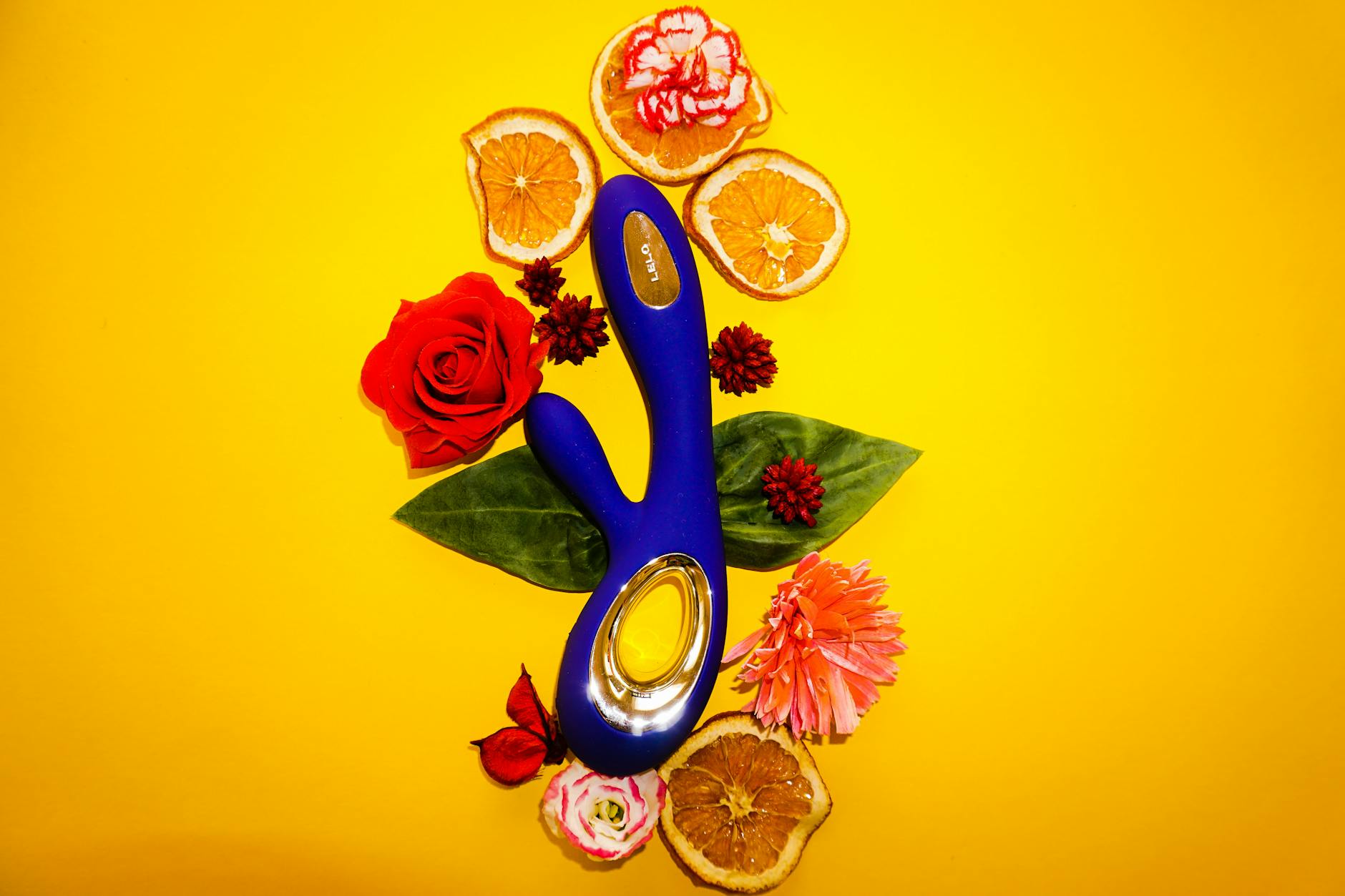
For many people, this is when they discover lemon clitoral vibrators, or they rediscover them in a completely different way. Because a lemon vibrator doesn't require you to be thinking about someone else. It doesn't carry muscle memory from a partnership. It's neutral. It's yours.
Why solo pleasure after a relationship shift feels unfamiliar
Three things happen simultaneously:
First, you lose the arousal scaffolding. In a partnership, arousal often builds through someone else's touch, their attention, their desire for you. That external stimulus is gone. Solo pleasure requires you to generate arousal independently, which is a skill you might not have practiced.
Second, your brain is processing grief and identity change. Even if the relationship wasn't working, your nervous system registered it as a source of safety or stimulation. Part of your brain is mourning that, and that part makes it harder to drop into pleasure mode. It's not weakness. It's neurobiology.
Third, there's permission and shame tangled together. Some people feel liberated exploring their own pleasure post-relationship. Others carry shame that says pleasure solo is somehow less valid, or that enjoying themselves means they're betraying the partnership they just left. The lemon clitoral vibrators help because they're tactile and straightforward. No ambiguity.
One client told me that the first time she used a lemon vibrator after her divorce, she cried. Not sad. Release. Her body recognized that pleasure could be entirely hers, with nobody's expectations attached. That shift took weeks to land, but it landed.
The emotional elements that actually matter more than the physical ones
Here's where most advice about pleasure during transitions falls apart. People assume the issue is physical. It's rarely physical. Your clitoris didn't change. Your capacity for sensation is the same. What changed is psychological safety, anticipation, and permission.
If you're in the early days of a breakup, solo pleasure might feel guilt-edged or complicated. You might feel like you're being unfaithful to a person you just left, which makes no sense logically but makes complete sense emotionally. That takes time to process, and a lemon vibrator can't think your way out of that for you.
If you're transitioning from monogamy to something else, pleasure becomes entangled with vulnerability and negotiation. You're figuring out new boundaries, new communication patterns. That's intellectually exhausting. Pleasure takes a back seat because your prefrontal cortex is working overtime.
If you're starting a new relationship, pleasure can feel pressured in a totally different way. You're performing slightly. You're uncertain about compatibility. That affects nervous system arousal more than most people realize.
The work isn't with the vibrator. The work is with the permission. Once that lands, a lemon vibrator becomes incredibly powerful because you can actually feel it.
What helps during these transitions (and it's not what you'd expect)
Three concrete things:
Take penetration off the table for a minute. If you were partnered, penetration might have been central to how you experienced sex. In transition, focusing only on external stimulation for a while lets your nervous system relax. No performance pressure. No comparison to what you did with a partner. Lemon clitoral vibrators are perfect for this because they're entirely about external sensation. You're building pleasure from the ground up without the mental load of penetration.
Separate pleasure from reconciliation. If you're in early breakup territory, your brain might interpret any pleasure as betrayal or weakness. It's not. It's self-care. But your nervous system needs to hear that clearly. Give yourself permission in words, not just theory. Say it out loud if it helps. That sounds silly until you try it.
Let novelty be part of the reset. Some people avoid pleasure entirely during transitions because it feels disloyal to their old relationship. Others swing to the opposite extreme and try everything at once. The middle path is interesting. Trying new sensations, new tools, new rhythms can help your nervous system understand that this is a new era. A lemon vibrator, especially if you've never used that specific style, signals that shift to your body. Your nervous system recognizes: this is different territory.
When you're bouncing between relationships (and yes, that matters)
If you're in overlap territory, overlapping relationships, or cycling between people quickly, pleasure becomes complicated in a specific way. Your body is trying to calibrate arousal to multiple people simultaneously. Your nervous system is fragmented. Attention and safety are split.
Lemon clitoral vibrators become useful here not as a replacement but as a stability anchor. They're constant. They're entirely about your own sensation. When everything else is chaotic, solo pleasure with a tool you control can be grounding. It helps your nervous system remember what it feels like to orgasm without negotiating, without divided attention, without someone else's timeline.
That said, if you're bouncing because you're running from something, a vibrator won't fix that. That requires therapy or honest conversation with yourself about what you actually want. But if you're in genuine transition and exploring multiple connections, solo pleasure remains yours.
The nervous system benefits you're not thinking about
Beyond orgasm, pleasure during relationship transitions does something crucial for your mental health. It grounds you in your own body. It reminds your nervous system that pleasure is possible without external approval. It strengthens your capacity for self-soothing.
During a breakup or separation, people often lose sleep, spiral into stress, struggle with anxiety. That's normal. Self-pleasure, particularly with something effective like lemon clitoral vibrators that deliver consistent sensation, can regulate your nervous system in the moment. Not as a escape. As a reset.
I've had clients use lemon vibrators when they couldn't sleep after a separation, not to masturbate necessarily, but to give their nervous system something to focus on other than the loop of grief or regret. The sensation grounds you in the present. Your brain stops spiraling and registers: you're safe. Your body works. You're here.
When to know it's time to reach out
If you're months past a relationship transition and pleasure remains completely numb, that's worth talking to a therapist about. That's not a character flaw. That's your nervous system asking for professional support to recalibrate.
If shame around solo pleasure is preventing you from any sensation, especially if it ties to religious or cultural beliefs about sexuality, that's also worth exploring with someone qualified. A lemon vibrator won't solve that, but therapy can.
Similarly, if you're using solo pleasure compulsively to avoid grief (hours daily, escalating intensity, sense of desperation), that's a sign your nervous system needs a different kind of support. Pleasure should add to your life, not replace it.
FAQ
How long after a breakup should I wait before using a vibrator?
There's no timeline. Some people use one the night after a separation as a comfort measure. Others wait months because it feels tangled with their ex. Both are fine. Listen to what your nervous system needs. If you're drawn to it, it's probably because you need grounding. If you feel resistant, honor that too. Pleasure should never feel obligatory.
Can using a lemon vibrator solo help me figure out what I actually want in my next relationship?
Absolutely. Solo pleasure without external pressure teaches you about your own arousal patterns. What sensations work for you? What rhythm? What intensity? What mental focus? Those answers are gold when you're dating again. You know what you like instead of defaulting to what a partner prefers.
I feel guilty about exploring pleasure while separated but still married. Is that normal?
Yes. Very normal. Your nervous system is processing conflicting signals. You're physically separated but legally/emotionally still entangled. That paradox creates guilt even when the relationship is ending. Some people compartmentalize easily. Others need time to separate pleasure from that entanglement. Neither makes you wrong.
Does using a lemon vibrator solo mean I'm not ready for a new relationship?
No. Solo pleasure and partnership pleasure are completely separate. You can be deeply interested in connecting with a new partner and also enjoy solo sensation. In fact, knowing your own pleasure makes you a better partner because you can communicate what actually works for your body.
What if I'm in a new relationship but I'm still grieving my last one? Can I use a vibrator?
Yes, assuming your new partner is aware and okay with it. If they're not, that's a conversation, not a reason to suppress your own pleasure. Sometimes grief and new desire exist in the same person simultaneously. That's human. If your new partner interprets solo pleasure as infidelity or rejection, that's worth exploring in conversations, possibly with a couples therapist like myself.
How do I explain to a new partner that I want to use a lemon vibrator during sex after being with someone else?
Directly and early. "I want to explore this tool with you because it adds sensation for me" is the full sentence. Most partners appreciate that you know what you want. If a new partner shames you for it, that's information about them, not about whether your desire is valid.
What transitions teach you about pleasure
Relationship shifts are unsettling. But they also offer something rare: permission to rebuild your relationship with your own body from scratch. Most people never get that. They move from one partnership to another without interrogating what they actually want, what actually feels good, what their body can do independently.
A lemon vibrator is just a tool. But it's a tool that reminds you that pleasure is yours. Not something you negotiate with a partner. Not something you earn through the right relationship status. Yours. That knowledge, especially when you're rebuilding after a transition, changes everything.
If you're navigating a relationship shift and wondering how to reconnect with your own pleasure, that's worth your attention. And if you want to talk through what intimacy looks like as your relationship status changes, I'm here. Reach out at /contact.