Let's name what's actually happening
Vulva pain during or after sex is wildly common and almost never talked about. You might feel a sharp sting during penetration, a burning sensation that lingers for hours afterward, or a dull ache that shows up only with certain positions or partners. The immediate response is usually shame or avoidance. The smarter response is curiosity, because pain during sex is almost always fixable.
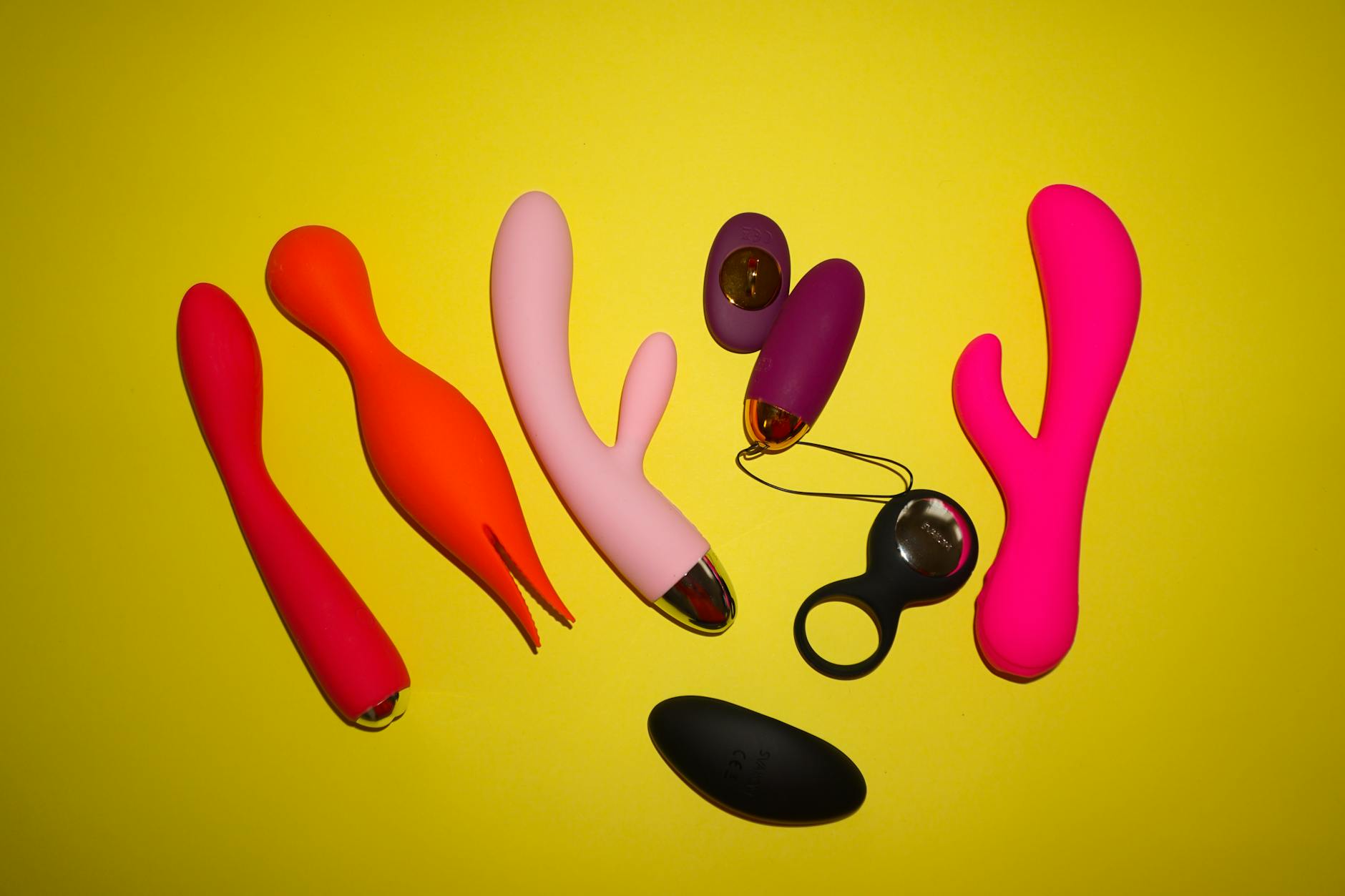
Here's what matters: pleasure and pain are not mutually exclusive. You can explore sexual sensation safely and deeply even when certain kinds of stimulation cause discomfort. Clitoral vibrators, especially air-suction devices like the Lem, open up pathways that bypass the painful parts entirely.
Why penetration pain happens (and why lemon clitoral vibrators sidestep it)
Vulva pain during sex usually falls into two categories. First, there's provoked vulvodynia or vaginismus, where specific touch or pressure triggers pain. Second, there's post-sex discomfort, where everything feels fine during sex but soreness arrives hours later. Both are treatable. Neither means you're broken.
The mechanism is simple: penetrative sex introduces friction, pressure, and stretching. If your tissues are inflamed, your pelvic floor is tense, or your nervous system is in a defensive state, that friction becomes pain. Clitoral stimulation avoids most of this equation. The clitoris is external, doesn't require penetration, and doesn't need the stretching or friction that often triggers pain.
Lemon adult toys, particularly suction-based clitoral vibrators like the Lem, work through air-pulse technology that creates a gentle vacuum rather than traditional vibration. This means you get intense stimulation without the direct pressure or friction that might aggravate sensitive tissue. For people managing vulva pain, this distinction is everything.
The role of nervous system state
One thing most people don't connect to pain during sex: your nervous system's baseline state. If you're stressed, anxious, or braced for pain, your pelvic floor muscles stay contracted. Contracted muscles mean tighter tissue, less flexibility, and a lower pain threshold. It's a cycle.
Clitoral vibrators interrupt this cycle in two ways. First, the sensation itself can help shift your nervous system from "threat" mode to "pleasure" mode. Second, exploring pleasure without the pressure of penetration lets you build a positive association with sexual sensation again. When your body learns that touch doesn't equal pain, the pelvic floor relaxes. Then everything gets easier.
This is why vulva pain often improves dramatically not through medication alone, but through repeated, pain-free pleasure experiences. Your nervous system rewires itself through practice.
How to use a lemon sexual toy safely when you have pain
Start externally, always.
When you're managing vulva pain, the temptation is to "push through" or try to make penetration work anyway. Resist this. Clitoral vibrators give you full pleasure without that pressure. Use the Lem or similar lemon clitoral vibrators as your primary tool, not a backup to something else.
Begin with the lightest setting.
Most lemon vibrators have multiple intensity levels. Start at pattern 1 or 2, even if it feels subtle. You're not chasing maximum stimulation. You're teaching your body that pressure-free pleasure is available. Intensity can come later. Right now, sensation and safety matter more.
Take your time with arousal.
When vulva pain is in the picture, foreplay isn't a nice-to-have. It's essential. Spend 15 to 25 minutes on non-genital touch before you bring a clitoral vibrator into the mix. This gives your nervous system time to shift into pleasure mode. Your tissues become more engorged, your arousal builds naturally, and when you finally introduce the vibrator, you're already primed.
Use lubrication even with external toys.
It sounds counterintuitive because external stimulation doesn't require the lubrication that penetration does. But if your vulva is sensitive, a light layer of water-based lubricant creates a protective barrier. It also helps the suction-cup design of the Lem create the right seal without tugging on delicate skin.
When to see someone and what to ask for
If pain is consistent, sharp, or worsening, get it checked. Vulvodynia, yeast infections, bacterial imbalances, and pelvic floor dysfunction all present as vulva pain during sex. A gynecologist trained in sexual health can distinguish between them in one visit.
If you're exploring with a partner, have that conversation separately from the sex itself. "I'm experiencing pain, so I'm going to focus on clitoral stimulation for now" is a completely different statement than "I'm not attracted to you anymore." Keep them separate. One is logistical. The other is about the relationship. Confusing them derails both conversations.
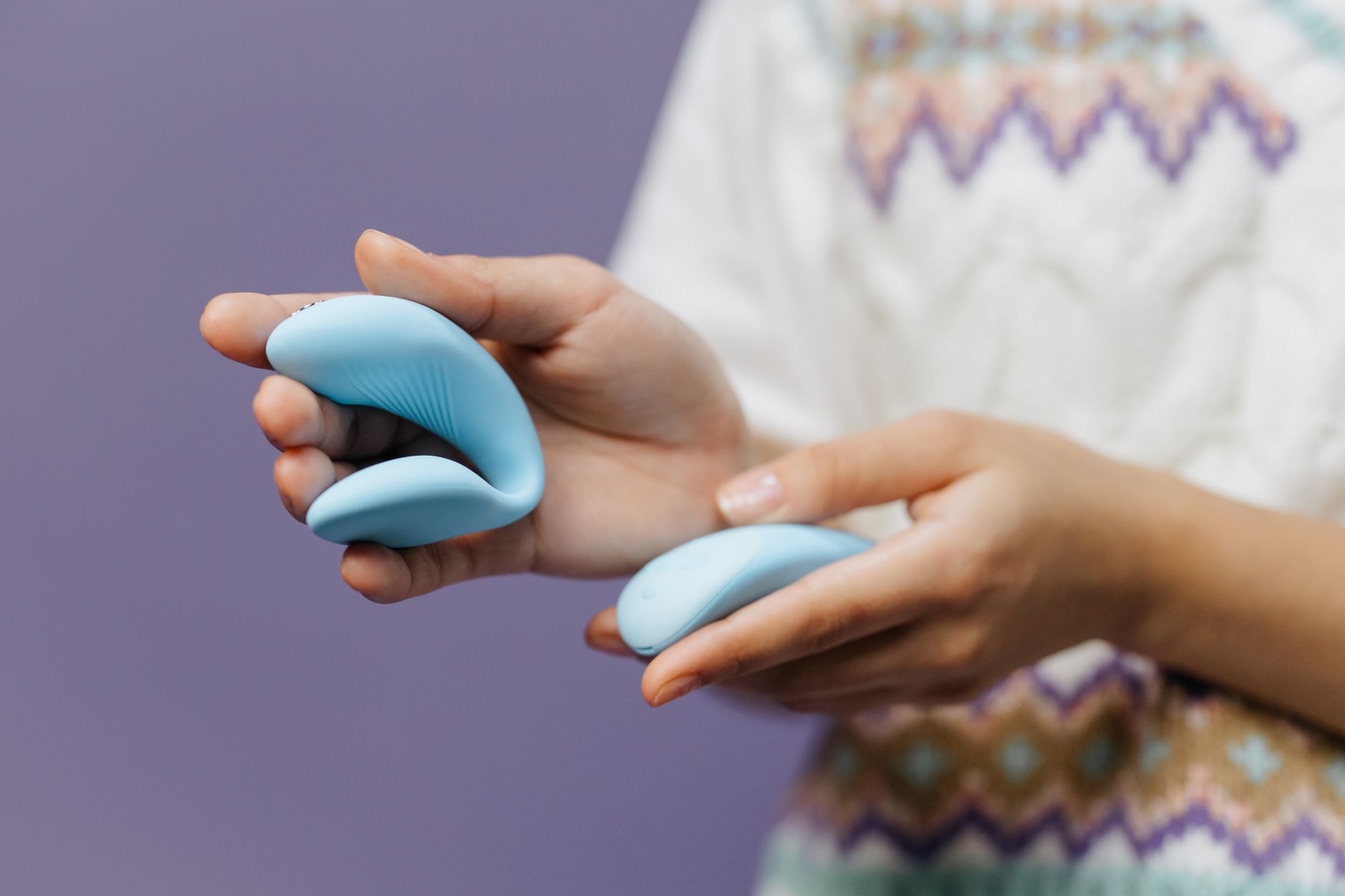
Photo by cottonbro studio on Pexels
Building back to penetration (if you want to)
Not everyone needs or wants penetrative sex. But if that's part of what you're after, clitoral vibrators create a bridge. When you've spent weeks or months experiencing consistent, pain-free orgasms, your pelvic floor relaxes. Your nervous system has proof that sexual touch feels good. From that foundation, you and your partner can very slowly reintroduce other stimulation.
Many people find that adding clitoral vibration during penetration changes the equation entirely. The clitoris gets direct, independent stimulation. Penetration feels like a bonus rather than the main event. The pain threshold rises because arousal is higher. The pressure on any single area is lower.
This is also why exploring with a lemon clitoral vibrator first is strategic, not a consolation. You're not settling for external-only pleasure. You're using it as the foundation for whatever else you want to build.
The partner conversation
If you're in a relationship, honesty here prevents resentment later. "I'm experiencing pain, so I'm shifting my focus to what actually feels good right now" is empowering. It's not rejection. It's clarity. A partner who's invested in your pleasure will find this information useful, not threatening.
Some partners worry that clitoral vibrators mean they're "not enough." This is understandable but incomplete. A lemon clitoral vibrator is a tool that lets you feel good in your body again. That's a gift you're giving yourself and your partner. You're saying "I want to stay sexually engaged and feel pleasure." That's the opposite of withdrawal.
For partners who want to participate, they can use the vibrator on you, change intensity mid-session, or simply be present while you explore. The sex doesn't have to be penetrative to be partnered.
Timing and rhythm that reduce pain risk
Vulva pain often gets worse right before or during your period, when inflammation is higher. If that's your pattern, plan pleasure sessions for the second half of your cycle when tissues are less reactive.
Also pay attention to what time of day your pain shows up. Some people feel worse in the morning, others in the evening. Some find pain worsens throughout the week as stress accumulates. Once you map the pattern, you can time sexual exploration for when your body is most resilient.
After using a clitoral vibrator, resist the urge to immediately jump into penetration. Let your body settle. The shift from arousal to rest takes 10 to 15 minutes. Honor that. Going from vibrator straight to penetration keeps your nervous system in high alert and can trigger pain.
FAQ: Vulva Pain and Clitoral Vibrators
Can using a clitoral vibrator make vulva pain worse?
No, not if you start gently. The risk isn't from the vibrator itself. It's from jumping to high intensity too quickly or trying to use a lemon vibrator in addition to penetration when you're not ready. Start low, go slow, and let your body tell you what feels good. If anything causes sharp pain (not just discomfort or pressure), stop and reassess.
How long before pain during sex improves if I use clitoral vibrators regularly?
This varies wildly. Some people see relief in two to three weeks of consistent, pleasure-positive experience. Others take months. The key is that you're building positive neural pathways around sexual sensation. Every pain-free orgasm rewires your nervous system a little bit more. Be patient with the timeline. Progress compounds.
Is it normal for pain to come back after a break?
Yes. If you stop having sex for a while, your pelvic floor can retighten and your nervous system can slip back into defensive mode. This doesn't mean you're failing. It means the skill needs maintenance. Think of it like flexibility. You have to keep stretching or you get stiff again. Regular, gentle exploration with a lemon clitoral vibrator keeps the pathway open.
Can my partner's anxiety about my pain make it worse?
Completely. If your partner is worried about hurting you or unsure what to do, that tension transfers to your body. Have a clear, practical conversation: "Here's what feels good. Here's what doesn't. Here's what we're exploring right now." When both people have the same information, anxiety drops and pleasure rises.
Should I stop having sex altogether until the pain is gone?
Not unless a doctor tells you to. Complete avoidance often deepens the fear cycle. Instead, shift the focus. Clitoral stimulation without penetration is real sex. It's not a substitute. It's a version that works for your body right now. Once pain improves and your nervous system resets, you can add other elements back in.
What if my pain is only during penetration but I want to keep exploring partnered sex?
Clitoral vibrators are your answer. Many couples find that partnered pleasure centered on the clitoris, with or without penetration, is actually more satisfying than the standard script. You get the connection, the intimacy, and the orgasms. The pressure goes away. If penetration feels good later, great. If it doesn't, you've already built a rich, deeply satisfying alternative.
The larger picture
Vulva pain during or after sex is a message, not a punishment. Your body is telling you something needs to change: the pressure might be too high, the speed too fast, the nervous system too activated. Clitoral vibrators let you listen to that message without shutting down pleasure entirely.
When you use a lemon vibrator, you're not "settling." You're being smart. You're choosing a path that feels good right now, knowing that as your body heals and your nervous system settles, you can expand what you explore. Start with what works. Build from there. Your pleasure is worth the patience.