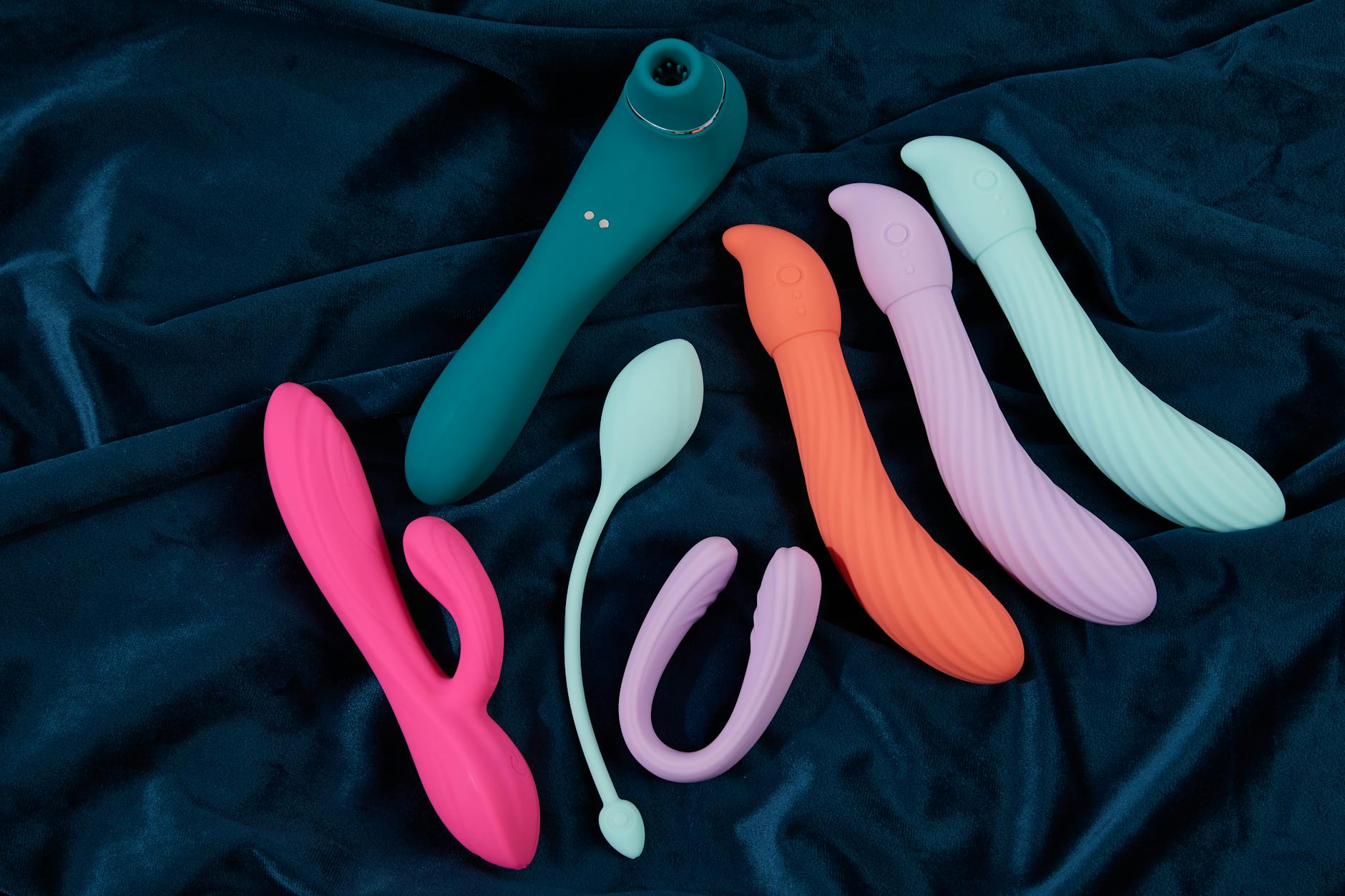
Let's be real about pelvic floor dysfunction and pleasure
If you're dealing with pelvic floor dysfunction, pleasure probably feels like a foreign concept right now. The muscles that are supposed to relax during arousal are instead gripping, tensing, or throbbing. You've likely been told to "just relax," as if intention alone could rewire your nervous system. It doesn't work that way.
Here's what actually happens with pelvic floor dysfunction. Your pelvic floor muscles are locked in a protective state. They think they're keeping you safe. Trying to have sex or use traditional vibrators forces more tension, not less. It becomes a cycle of pain, avoidance, and frustration.
Lemon clitoral vibrators work differently. The suction mechanism doesn't require internal penetration or intense direct friction. Instead, it creates a gentler, rhythmic stimulation that can actually help you retrain your nervous system to recognize pleasure as safe.
What pelvic floor dysfunction actually does to your sexuality
Pelvic floor dysfunction is not about weakness. It's about tension that won't release. The muscles are overworked, guarding, and hyperaware. This changes everything about arousal.
Your brain stops associating touch with pleasure and starts associating it with potential pain. That's a nervous system response, not a character flaw. Your body is protecting you. Understanding that distinction matters because you're not broken. You're stuck in a protective pattern.
When you've been avoiding sex or touch for weeks or months, shame starts layering on top of the physical dysfunction. You might feel broken, unsexy, or worried your partner will leave. These feelings are understandable and incredibly common. They're also worth naming separately from the physical recovery, because they need different solutions.
Why lemon suction toys are gentler during pelvic floor recovery
Three key reasons lemon clitoral vibrators feel safer for people in recovery.
First, suction creates stimulation without the sharp pressure of direct vibration. Traditional vibrators buzz intensely against delicate tissue. With a lemon vibrator, the sensation is more of a gentle pulling rhythm. Your pelvic floor doesn't perceive this as an invasive stimulus, so it's less likely to clench defensively.
Second, you control the pressure. The suction intensity on a lemon vibrator starts at the lowest setting. You're not fighting against a toy's preset power. You're building sensation gradually, at your own pace. That sense of control is huge for nervous system healing. Your body learns that you're in charge, not that something is being done to you.
Third, lemon sexual toys don't require any internal movement or penetration. If internal pelvic floor tension is your main issue, avoiding that altogether during early recovery is smart. You can reconnect with external clitoral sensation without triggering the protective guarding reflex.
Starting slow without losing your mind
This is the hard part. Slow feels impossible when you're desperate to feel normal again. But pelvic floor recovery is not a sprint.
Week one. Don't use the toy yet. Just get your body comfortable with the idea of touch again. This might be your partner's hand, your own hand, or nothing but rest. The goal is zero pressure, zero expectations, zero goal of orgasm. This week is about your nervous system learning that touch doesn't have to mean pain.
Week two. Hold the lemon vibrator. Don't turn it on. Let your hand get used to the weight and shape. Use it over your underwear or with your clothes on. This sounds silly, but it's not. You're slowly introducing an object to a nervous system that's been in protection mode.
Week three. Turn it on at the lowest setting. Again, still over underwear or externally. Spend five minutes. That's it. Notice what sensations you feel. Is there tension? Does your pelvic floor grip? Are there any moments where it relaxes? Don't chase those moments. Just notice them. Your brain is learning to distinguish between threat and safety.
Week four and beyond. Gradually increase time and intensity only if your body feels ready. This might take four weeks. It might take four months. There's no timeline.
The role of relaxation techniques alongside toy use
You can't use a toy and stay in pelvic floor tension. They work against each other. So before or alongside toy use, you need practices that actually relax the pelvic floor.
Deep breathing into your belly (not your chest) is foundational. When you breathe into your belly, your diaphragm moves down, which naturally releases tension in the pelvic floor. Spend two minutes each day just breathing slowly, feeling your belly expand and contract.
Progressive muscle relaxation is also effective. Deliberately tense your pelvic floor muscles hard for five seconds, then release. Do this five times. This teaches your brain what tension feels like and, more importantly, what release feels like. You're training your nervous system to recognize the difference.
Yoga focused on pelvic floor awareness is worth exploring. Not intense yoga. Gentle, restorative poses that keep your hips open and your breath full. Child's pose, happy baby, and reclined butterfly are starting points.
Consider working with a pelvic floor physical therapist if you haven't already. They can teach you exactly which muscles are holding tension and give you exercises tailored to your body. Some therapists also use biofeedback, which shows you on a screen when you're successfully relaxing. That visual feedback accelerates learning.
Navigating pleasure with a partner while in recovery
This is where shame often enters. Your partner might feel rejected. You might feel guilty about not being able to have sex. Both feelings are real and worth talking about directly.
A good conversation sounds like this. "My pelvic floor is protecting itself right now. This isn't about you or how I feel about you. It's about my nervous system being stuck in defense mode. Here's what helps me feel safe." Then tell them what you need. Maybe it's nonsexual touch. Maybe it's cuddles. Maybe it's them just being patient while you rebuild.
Many partners worry that exploring lemon clitoral vibrators means something's wrong with them or the relationship. It doesn't. In fact, during pelvic floor recovery, pleasuring yourself with a toy while your partner is present can be a really healthy middle ground. You're reconnecting with sensation without pressure to perform or be available for penetration.
If you do bring a partner into toy exploration, their job is to be present and supportive, not to direct or rush anything. Let them know that you might say stop at any moment. Let them know that not reaching orgasm is fine. The goal is retraining your nervous system, not achieving climax.
What recovery actually looks like over time
Pelvic floor dysfunction recovery is not linear. You might have a week where everything feels better, then a week where the tension returns. This is normal. Stress, your cycle, relationship tension, and even your thoughts can all trigger protective gripping.
Over time, with consistent gentle practice, your nervous system learns that pleasure is safe. Your pelvic floor muscles gradually release their constant guard. Sensation starts to feel good again instead of threatening. Orgasms might return, or they might feel different, and both are okay.
Most people see real progress in three to six months of consistent, gentle practice. Some take longer. Progress isn't measured by whether you can have penetrative sex. It's measured by whether touch feels less scary. Whether you can breathe fully during arousal. Whether shame is loosening its grip.
Using lemon adult toys as part of this recovery process works because they're gentle, you control the pace, and they don't force your body into positions or patterns that trigger tension. They're tools for reconnection, not proof that something's wrong with you.
When to bring in professional support
If you've been practicing these strategies for three months and seeing no progress, or if pain is intensifying, see a pelvic floor physical therapist. This is not a failure. It's information. Some cases of pelvic floor dysfunction need hands-on professional care, and that's completely valid.
If shame and anxiety are making recovery harder, consider working with a therapist who understands pelvic floor issues and sexuality. The mind-body connection here is real. Sometimes the physical tension won't release until you've processed some of the emotional weight attached to it.
Your doctor should also know what you're experiencing, especially if there's pain. Rule out infections, nerve issues, or other medical causes that might need treatment alongside pelvic floor retraining.
Frequently asked questions
Can I use a lemon vibrator if I have diagnosed pelvic floor dysfunction?
Yes, but start slowly and check in with your pelvic floor physical therapist first. They can tell you whether external clitoral stimulation is appropriate for your specific situation. Most people with pelvic floor dysfunction tolerate gentle suction stimulation better than intense vibration, but individual bodies vary. Getting professional guidance beforehand prevents setbacks.
How is using lemon suction toys different from traditional vibrators during recovery?
Traditional vibrators press directly against tissue with high-frequency vibration, which can trigger pelvic floor guarding if you're in recovery mode. Lemon clitoral vibrators use suction, which is rhythmic and gentler. You also control the intensity from the start, whereas many vibrators come with preset power levels. This control is crucial when your nervous system is learning to trust sensation again.
Will using a lemon vibrator speed up my pelvic floor recovery?
It can support recovery, but it's not a cure on its own. Gentle toy use works best alongside pelvic floor physical therapy, breathing exercises, and stress management. Think of it as one tool in a recovery toolkit, not the tool. Some people heal faster with it included. Others need more professional intervention first.
What if I still feel pain or clenching when using a lemon vibrator?
That's information, not failure. Your pelvic floor is telling you it's not ready yet. Stop, breathe, and go back to the earlier steps. Maybe it's just time sitting with the toy off. Maybe it's another week of just holding it without turning it on. There's no rushing this. If pain persists, talk to your physical therapist about whether something else is going on.
Can my partner use a lemon vibrator on me during recovery?
Possibly, but only if you feel genuinely comfortable. During early recovery, solo exploration is often safer because you control everything. Once you're further along and feel ready, a partner using a toy on you can be intimate and healing. The key is that you trust your partner and feel in control. You can ask them to stop anytime, and you mean it.
How long before I feel normal again?
It varies wildly. Some people feel major improvement in a few months. Others take six months to a year of consistent practice. Pelvic floor dysfunction recovery isn't about speed. It's about gradually retraining your nervous system to recognize that pleasure and safety go together. Progress is measured in small moments: the first time touch doesn't hurt, the first time you don't clench automatically, the first time you feel arousal without fear.
Moving forward with patience and self-compassion
Pelvic floor dysfunction is one of the most isolating conditions because no one sees it. You look fine. You're supposed to be fine. But internally, your nervous system is stuck in protection mode, and pleasure feels impossible. That's real, it's valid, and you're not alone.
Recovery happens when you stop fighting your body and start listening to it. Lemon clitoral vibrators can be part of that listening. They're gentle, controllable, and designed for sensation without force. More importantly, they're a tool that tells your nervous system that pleasure is something you deserve and that touch doesn't have to hurt.
Start where you are. Be patient with setbacks. Celebrate small wins. And if you need professional support along the way, that's not weakness. That's wisdom. Your body is learning to trust again, and that takes time.