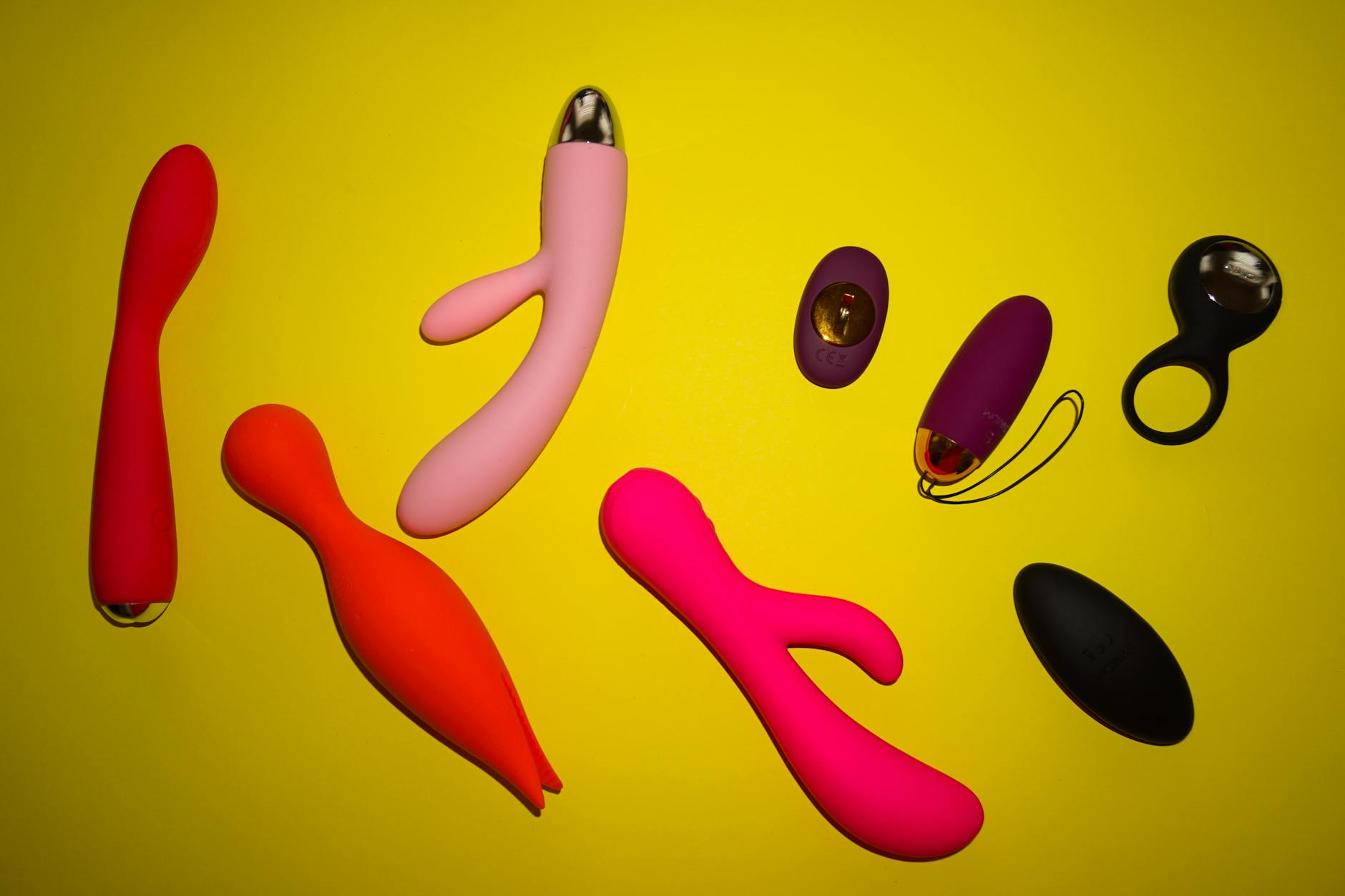
Your body isn't broken. It's just different.
Here's the thing nobody tells you straight: sensitivity doesn't disappear with age. It transforms. The way your clitoris responds to touch, the amount of time arousal takes to build, the intensity that actually feels good versus the intensity that feels sharp or numb. All of it shifts. And if you're still using your lemon vibrator the way you did five or ten years ago, you're probably fighting your body instead of working with it.
I see this constantly in my practice. Someone brings in their trusted lemon sucker, uses it the way they always have, and then gets frustrated when it doesn't land anymore. They assume their body is the problem. Usually, it's just a mismatch between what they're doing and what their nervous system actually needs right now.
How sensitivity actually changes over the years
Your clitoris has about eight thousand nerve endings. That number doesn't change. But the way signals travel through those nerves does.
In your twenties and thirties, nerve sensitivity is often at its highest. Stimulation travels fast. Arousal builds quickly. A lemon vibrator on pattern 5 might feel amazing. Your pelvic floor muscles are usually tighter and more responsive, too, which changes how orgasms register.
In your forties and fifties, those same nerve pathways are still there, but the speed of signal transmission slows slightly. Hormonal shifts (whether from natural aging, medication, or life stress) change how much lubrication your body produces and how quickly blood flow reaches the clitoris. Your pelvic floor has typically loosened a little, which can make some sensations feel muted or different.
This isn't decline. It's recalibration. And honestly, many people find their most intense orgasms happen after this shift, because they're finally giving their body what it actually wants instead of what worked ten years ago.
The four patterns of change you'll probably notice
More time to warmup. Where you used to get aroused in five minutes, you might need fifteen now. This isn't laziness or low libido. It's biology. Blood flow takes longer to concentrate in the clitoral tissue. Budget the time and stop fighting it.
Different intensity sweet spots. Your lemon clitoral vibrator has seven patterns. Maybe you lived on pattern 6 for years. Now pattern 4 might feel better. Or you might find that you want to start lower and build up, where you used to jump right to high. There's no rule here. The only rule is what actually feels good.
Texture sensitivity shifts. If your lem vibrator's silicone felt smooth and perfect at thirty, it might feel slightly irritating at fifty, especially if you're dealing with hormonal changes or pelvic floor tension. Some people find they need more lube to buffer the sensation. Others need less pressure overall. Paying attention matters more than following a script.
Arousal pattern changes. Many people notice their arousal builds differently as they age. Less from visual stimulus or fantasy alone, more from actual physical touch and context. Your lemon vibrator might work best when you're fully present and warmed up, rather than as a shortcut to quick sensation.
How to retune your technique with a lemon vibrator
Start two patterns lower than you think you need.
Seriously. If you've been using pattern 5, start with 3. Spend two to three minutes at that level before you even think about turning it up. Your nervous system will tell you when it's ready for more. You'll feel it.
Add lubrication even if you don't think you need it.
Sensitivity changes also mean the tissue is often thinner or less naturally lubricated. Water-based lube isn't a sign of malfunction. It's smart adaptation. It lets you feel more of the sensation by reducing friction that would otherwise just feel numb or raw.
Slow down your entry pattern.
If you used to go straight to the clitoris, try spending thirty seconds on the surrounding area first. The inner labia, the area just above the clitoris. Let sensation build in layers instead of arriving all at once.
Use the suction feature intentionally.
The lem vibrator's suction mechanism is honestly a game-changer for bodies that are experiencing sensitivity shifts. Instead of direct vibration, you're getting gentle pressure that stimulates the nerve endings without the same mechanical intensity. Many people find this works better as sensitivity changes because the sensation feels more integrated rather than sharp.
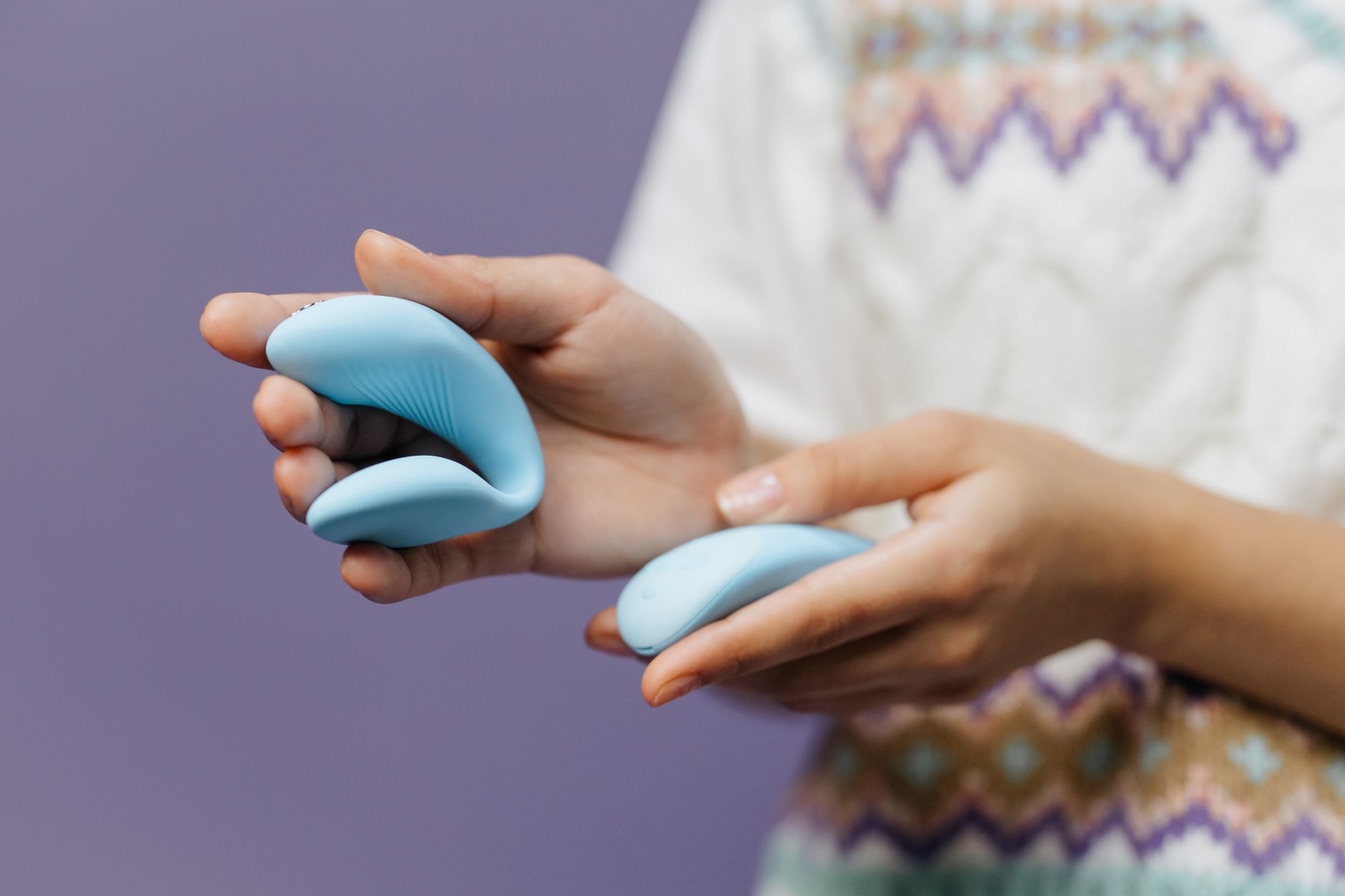
Photo by cottonbro studio on Pexels
Pelvic floor changes and what they mean for sensation
Your pelvic floor muscles support the clitoris and vagina. They tighten during arousal and orgasm. Over time, usually starting around the late thirties or forties, these muscles naturally loosen slightly. For some people, this means sensation feels less concentrated. For others, it actually means more pleasure because the muscles don't grip as hard, allowing for deeper, longer waves of sensation.
Here's the practical part: if you're noticing that sensation feels muted or diffuse, pelvic floor awareness can help. Not aggressive kegels, which actually tighten things more. I mean gentle awareness. Before you use your lemon vibrator, spend a minute just noticing your pelvic floor. Breathe into it. Let it relax. Then when you apply the vibrator, you'll feel more because the muscles aren't already clenched.
If sensation feels too intense, the opposite approach works: gentle pelvic floor engagement right before stimulation can actually modulate the sensation and make it feel more controlled.
When to reconsider which adult toy serves you best
Sometimes a sensitivity shift means a different tool altogether works better. If you've been using a traditional lemon vibrator and now find yourself wanting something gentler, a lemon sucker toy might feel completely different and better. If you want more direct stimulation, maybe a different pattern of vibration suits you.
But here's what I tell people: before you assume your current toy doesn't work anymore, spend two weeks using the recalibration techniques above. Most of the time, you'll find your lemon clitoral vibrator works beautifully again. You were just using the wrong settings for your body as it is now, not as it was.
The mental part matters as much as the physical
Sensitivity changes often come alongside life transitions. Kids launching, relationship shifts, career changes, body image stuff. Your brain is processing a lot. Your nervous system is on alert. That directly impacts how sensation registers.
I've seen so many people blame their body's response when actually they're just not fully present. They're thinking about work, or worried about how they look, or comparing their pleasure now to their pleasure five years ago. Your lemon vibrator can't compete with that noise.
Before you use it, give yourself permission to do three things: first, take five deep breaths and notice what you actually want. Second, let go of what used to feel good. Third, approach this like you're exploring someone new, even though you've been with yourself your whole life.
Troubleshooting the most common shifts
If you're experiencing numbness even on higher patterns, don't turn it up further. That usually makes it worse. Instead, try lower patterns with longer build time, more lube, and pelvic floor relaxation. If it's still numb after a week of that, check in with a pelvic floor physical therapist, because that can signal tension or nerve issues that a vibrator alone won't solve.
If sensation feels sharp or irritating, you probably need more lube and lower intensity. Some people also find that taking a break for a few days helps reset their sensitivity. Overstimulation is real.
If arousal is taking longer, that's not a failure. It's an invitation to expand foreplay. Use your lemon vibrator as part of a longer ritual instead of the whole thing. Many people find their orgasms are stronger when they've built slower anyway.
FAQ: Common questions about sensitivity and lemon vibrators
Does sensitivity really change with age, or is it in my head?
It's absolutely real. Nerve conduction velocity slows with age, hormone levels shift, and muscle tone changes. That's physiology, not psychology. Your brain noticing the difference isn't imagining it. That said, stress, medication, and relationship context also hugely impact sensation. It's usually a mix of things.
At what age do most people notice this shift?
It varies wildly. Some people notice changes in their late thirties. Others don't until their fifties or beyond. Hormonal shifts (whether from birth control, perimenopause, or other changes) often trigger it faster than age alone does. There's no normal.
If I use my lemon vibrator less often, will sensitivity come back faster?
Not necessarily. Actually, consistent use with adjusted settings usually helps you adapt faster. Your body learns what to expect and responds better. Taking breaks and then jumping back in with old patterns is usually what feels strange.
Is it normal to need more lube as I age?
Completely. Estrogen shifts change lubrication production. This isn't a sign of anything wrong. It's why water-based lube is one of the best tools for pleasure as bodies change. It's not a substitute for your own lubrication. It's an addition that makes sensation better.
Can I still have intense orgasms with a lemon clitoral vibrator if my sensitivity has shifted?
Yes. Honestly, many people have their most intense orgasms after sensation shifts because they're finally aligned with what their body actually needs. Intensity isn't about how strong the vibration is. It's about how well the stimulation matches your nervous system's current state.
Should I switch to a different type of vibrator if I'm noticing changes?
Not automatically. Try recalibrating your technique first. Most people find their current lemon vibrator works great once they adjust the intensity, timing, and approach. Sometimes switching toys helps, but it's usually a last step, not the first one.
The bottom line
Sensitivity changes aren't something to outsmart or fix. They're something to move with. Your body knows what it needs. Your lemon vibrator is a tool that serves you best when you're actually listening to what that need is right now, not what it was five years ago. Start lower, go slower, add lube, and pay attention. That's the whole adjustment.
If you're struggling with pleasure shifts and want to talk through what's happening in your relationship or life context, I'm here. The body and the relationship are always connected.