Antidepressants change pleasure. They don't erase it.
If you've started SSRIs or another class of antidepressant, you've probably already heard the phrase "sexual side effects." That phrase makes it sound like your pleasure just vanishes. It doesn't. What actually happens is more specific, more fixable, and honestly more interesting than the clinical literature lets on.
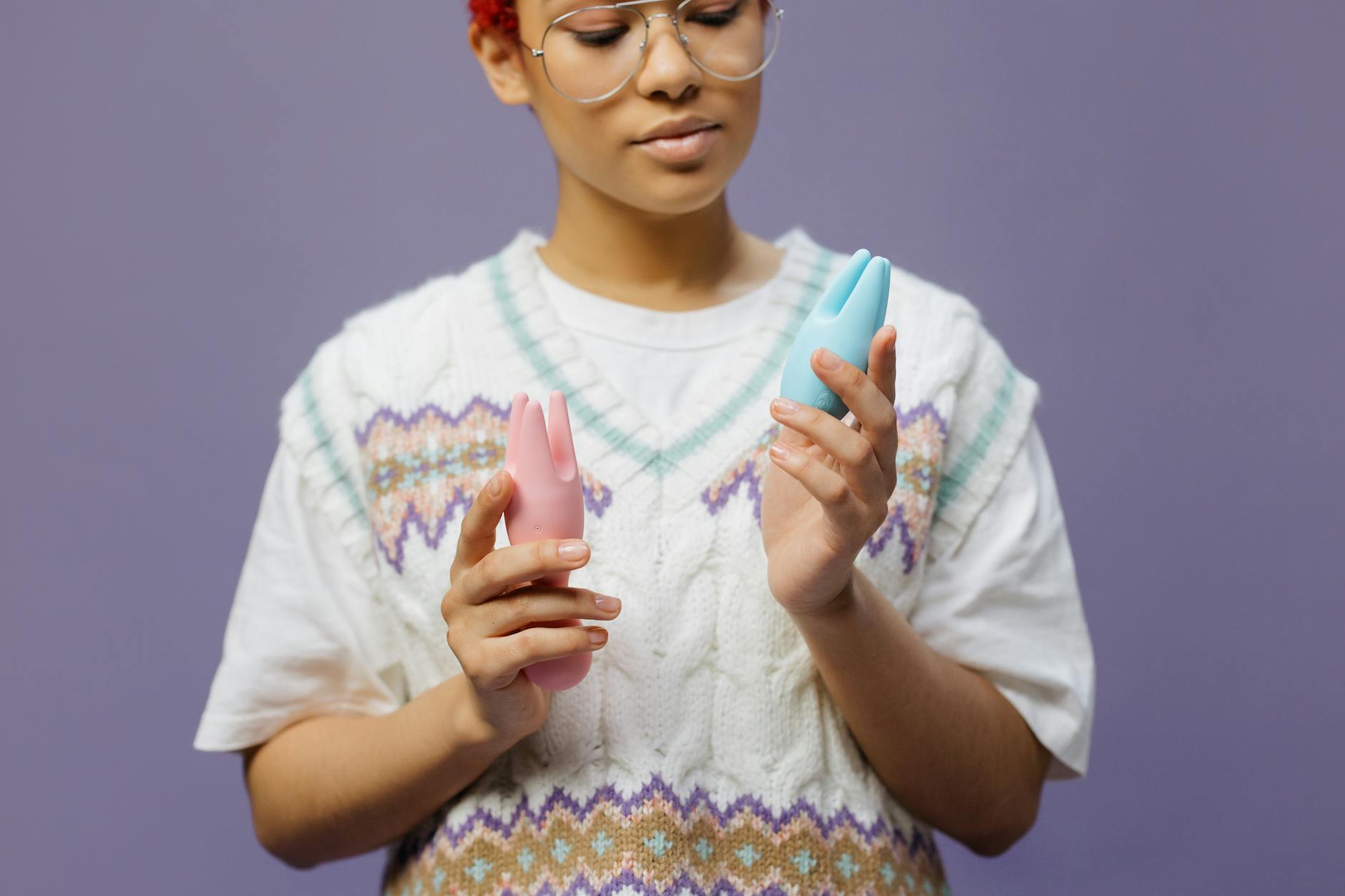
Here's the real thing: antidepressants shift the timeline and intensity of arousal. They don't turn it off. That means the tools you use matter more than ever. Lemon vibrators and other clitoral vibrators work with your neurochemistry in ways that can actually make pleasure feel more accessible on medication than it did before.
What SSRIs actually do to sensation
Most antidepressants work by increasing serotonin availability in your brain. The problem is that serotonin also regulates arousal, orgasm, and the chain reaction that builds sensation. More serotonin in some regions of your brain = longer time to arousal, less intense orgasms, or both.
It's not universal. About 40-60% of people taking SSRIs report some sexual side effect. But "some side effect" is not the same as no pleasure. It usually means one or more of these:
- Arousal takes 15-30 minutes instead of 5-10
- Orgasm feels less sharp, more diffuse
- You need more direct stimulation to reach climax
- Desire itself dips (separate from physical response)
The kicker: these effects often stabilize or soften after 6-12 weeks on the medication. Your body adapts. Your brain recalibrates. And by then, the depression or anxiety that was crushing your pleasure in the first place is usually lifting. That trade-off is worth it for most people.
Why lemon clitoral vibrators adapt better than other toys
Here's where Nancy Lem lemon vibrators come into play. Traditional vibrators rely on speed and rhythm to trigger sensation. They're essentially betting that the same frequency will work for everyone, every time. If your nervous system is already dampened by medication, traditional vibration can feel either too intense (because the drug makes you hypersensitive to pressure) or too dull (because you need more signal to register arousal).
Lemon suction toys work differently. Instead of relying purely on vibration, they use gentle suction to pull blood and sensation toward the clitoris. That's useful on antidepressants because it works with the medication's effect rather than against it. You're not fighting your neurochemistry. You're creating a different kind of stimulation pathway.
I've had clients describe it like this: vibration is sprinting. Suction is slow swimming. On SSRIs, slow swimming often gets you where you need to go faster.
The timeline adjustment that changes everything
When you start antidepressants, the first thing to let go of is the expectation that arousal will arrive on a five-minute schedule. Budget 20-30 minutes for warm-up, full stop. This isn't failure. It's actually useful information.
Longer arousal time often means deeper, more sustained pleasure once it arrives. Your body gets time to fully engage. Your nervous system settles. By the time you reach for the Lem vibrator, you're genuinely ready, not just going through the motions.
Three practical adjustments for this timeline shift:
Start earlier. If you used to wait until you felt a spark, start now. Build arousal intentionally. This is not "faking it." It's priming your nervous system, same thing athletes do before a performance.
Use lubrication generously. Antidepressants can reduce natural lubrication. Water-based lube isn't a sign something's wrong. It's a tool. Use it.
Expect sensation to build in layers. You might not feel a sharp "yes, I'm aroused" moment. Instead you'll notice your breath changes, your skin gets more aware, your focus narrows. That's arousal. It just looks different.
Intensity levels and the medication effect
The Lem vibrator comes with adjustable intensity for exactly this reason. If you're on antidepressants, you might need patterns 1-3 initially, then work up to 4-5 as your body warms up. This is not you being broken. This is how your nervous system works on medication.
Some people find that lower, sustained intensity feels better than the higher patterns. Others cycle through patterns to keep sensation novel. There's no right answer. The point is that adjustability matters when your neurochemistry has shifted.
One thing I tell clients: if you're on a higher dose of SSRI, you might never want the maximum intensity, and that's completely fine. You're not missing out. You're finding what actually works for your current brain chemistry.
Desire versus arousal: they're separate problems
Here's the thing most people miss: antidepressants can tank desire without touching arousal capacity. You might have zero interest in sex, but the moment you actually start, your body responds perfectly fine. Or vice versa.
If desire is the issue, lemon vibrators don't fix that. But they can help you re-engage with your body in a low-pressure way. Sometimes pleasure reignites desire. Sometimes it doesn't. But the conversation shifts from "I don't want sex" to "Let me explore what feels good right now."
If arousal is the issue, a clitoral vibrator becomes more valuable because it's doing the work to build sensation rather than asking your already-dampened nervous system to do it solo.
Orgasm change, decoded
On SSRIs, orgasm often feels different. Clients describe it as less peaked, more spread out. It's like the difference between a spike and a wave. Neither is better. They're just different.
If you're used to sharp, intense orgasms and suddenly yours are rolling and diffuse, that's the medication talking. Your capacity for pleasure hasn't changed. The shape of it has.
Lemon vibrators can help you explore this new shape rather than chasing the old one. Because suction works differently than vibration, some people find it recreates that peaked sensation they're missing. Others find it's better for the rolling-wave orgasms the medication creates. You'll discover which.
When to talk to your prescriber
If sexual side effects show up in the first 4-6 weeks, wait. Most people adapt. But if they persist beyond 12 weeks or get worse, that's worth a conversation with your doctor. Options include:
- Dose adjustment (lower dose, same benefits, fewer side effects)
- Timing adjustment (taking your dose at night instead of morning, or vice versa)
- Switching to a different antidepressant (some classes have fewer sexual side effects)
- Adding an additional medication to offset the effect (rarely necessary, but sometimes helpful)
Your sexual health matters. A good prescriber will take that seriously. Bring specific information: "Arousal takes longer, orgasm feels different, desire is lower" is way more useful than "it's not working."
The relationship piece
If you're partnered, antidepressants create a conversation you might not have expected to have. Longer arousal time, different intensity, orgasm that feels new. None of that is a problem if your partner understands what's happening.
The phrase that helps: "My body responds on a different timeline now. That doesn't mean there's an issue between us. It means I need a different approach." Then you can actually explore that approach together instead of pretending the change didn't happen.
People also ask
Do antidepressants permanently change how pleasure feels?
No. If you eventually stop taking the medication, sensation usually returns to baseline over a few weeks. But while you're on it, those changes are real and worth adjusting for rather than resisting. Some people stay on antidepressants long-term and their bodies fully adapt, so pleasure feels normal again within months.
Can I use lemon vibrators right away, or should I wait?
You can use them anytime. There's no waiting period. The first few weeks on antidepressants are actually a good time to explore because you're already experiencing change. A clitoral vibrator like the Lem gives you data about what's happening with your body instead of guessing.
Do I need to use higher intensity on antidepressants?
Not necessarily. Some people do, some people need lower intensity because they become hypersensitive to pressure. This is individual. Start low, go up gradually, and pay attention to what feels good rather than assuming you need more power.
Should I tell my partner about the antidepressant side effects?
Yes. Even if it feels vulnerable. Antidepressants change the sexual experience for both of you. Pretending nothing shifted creates more friction than honesty does. A simple "My body's responding differently because of the medication, let's figure out what works" opens up a real conversation.
Can other clitoral vibrators work on antidepressants, or is the Lem special?
Other vibrators absolutely work. But the adjustable intensity and pattern variety of the Lem gives you more options when your nervous system is shifting. Some people find suction toys generally work better on medication. Others do fine with traditional vibration. It depends on your body.
What if the antidepressant side effects don't go away?
Talk to your doctor. This isn't something you have to live with permanently if it's significantly affecting your quality of life. There are options, and a good prescriber will explore them with you.
The actual takeaway
Antidepressants change the timeline and the shape of pleasure, not your capacity for it. Lemon vibrators adapt to that shift because they offer adjustable stimulation instead of a one-size-fits-all approach. Your pleasure matters. So does your mental health. You don't have to choose between them.
Start with the conversation: with yourself about what's changed, and with your prescriber and partner about what you need going forward. Then explore. That's where the real information lives.