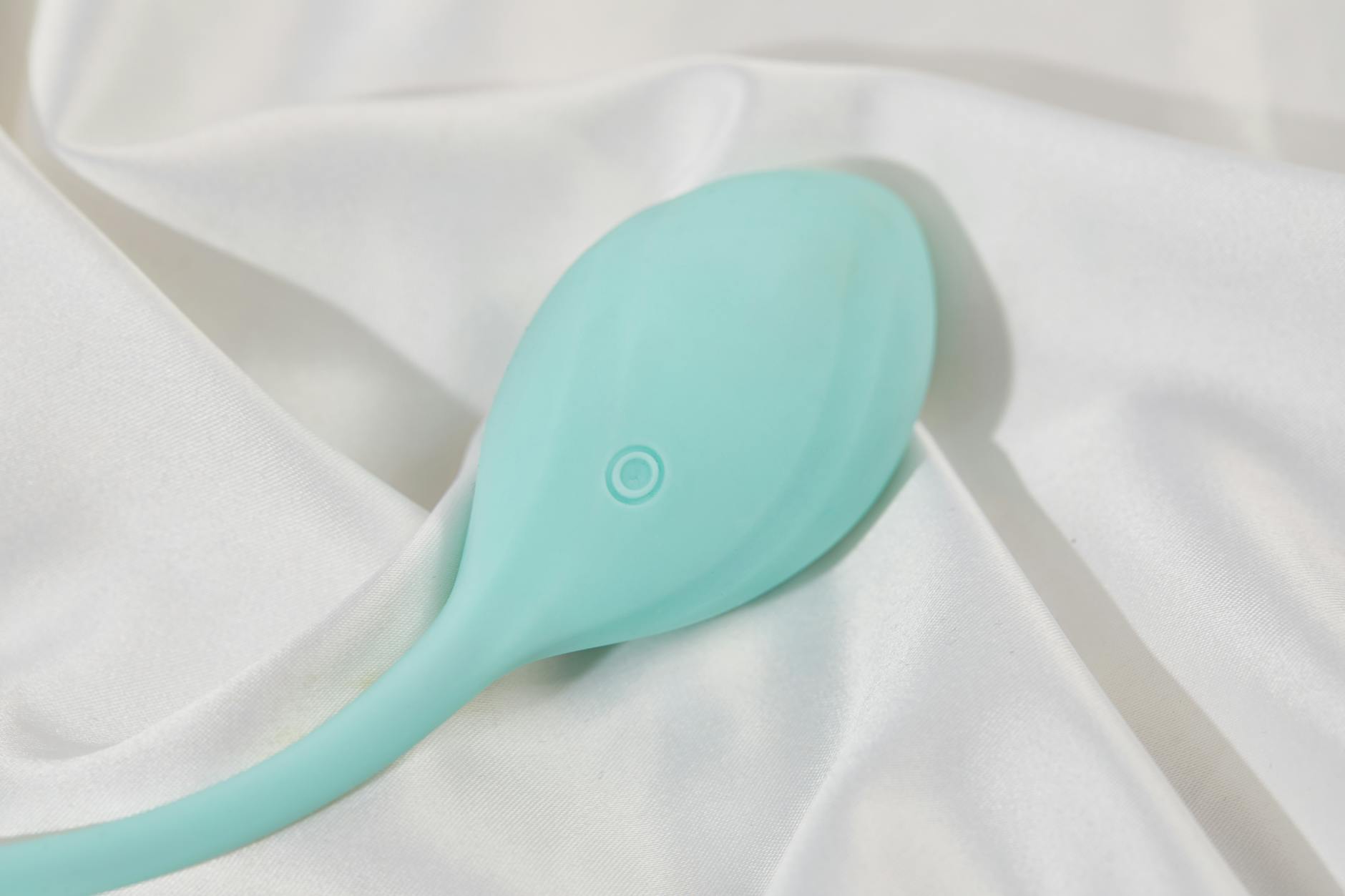
Let's talk about what nobody mentions at the six-week checkup
Your OB clears you for penetrative sex. You feel like you should want to. Your partner is looking hopeful. And your body is screaming that nothing feels right anymore. Between pelvic floor trauma, hormonal free fall, and the cognitive weight of new parenthood, sex becomes this minefield of "I should" colliding with "I can't." That gap is where most people get stuck.
Lemon vibrators work differently for postpartum bodies because they don't demand what your tissues aren't ready to give. Let me explain what's actually happening and why a lemon clitoral vibrator might be the gentlest entry back to pleasure.
What postpartum tissue actually looks like
Here's the part they gloss over: your pelvic floor spent months being stretched, then potentially torn, then stitched. That tissue is inflamed, desensitized, and being held together by collagen that's still reorganizing itself. Vaginal lubrication hasn't fully returned because your estrogen is tanked from breastfeeding (whether you're nursing or not, hormone levels bottom out after birth). The skin is thinner. The muscles are exhausted.
This isn't failure. This is literally one of the most intense physical traumas your body can survive.
Most vibrators work by direct friction against these compromised tissues. Even on low settings, they can feel raw, unpleasant, or actively painful. Your nervous system reads the stimulation as threat instead of pleasure.
Lemon vibrators, particularly the suction-based design, approach this differently. Instead of friction, they use gentle pulsing suction to stimulate the clitoris. There's no grinding, no direct pressure on healing tissue. The sensation arrives at the nerve endings without requiring any physical tissue to be ready for intensity.
Why lemon suction vibrators feel safer
Three things make lemon clitoral vibrators unique for postpartum healing:
1. No penetration required. Your clitoris isn't scarred. It's also not producing the lubrication your vagina needs to handle friction comfortably. Lemon vibrators focus purely on external stimulation, which means you're not asking your pelvic floor to do anything. No muscles engage, no healing scar tissue gets irritated.
2. Gentler initial sensation. Most traditional vibrators hit you with buzz or rumble immediately. Suction-based lemon vibrators can start at patterns that feel almost unnoticeable. You control the intensity from the ground up, not from an already-intense starting point. This matters when your nervous system is primed for pain.
3. The sensation pattern itself. Pulsing suction feels qualitatively different from vibration. It's rhythmic but not abrasive. Many postpartum people find that the pulsing sensation actually helps their nervous system downregulate, which is crucial. You're not just chasing an orgasm. You're teaching your body that pleasure can exist without pain.
The timeline that actually makes sense
Forget the six-week clearance. That's a medical checkpoint for basic healing, not a readiness signal for pleasure. Here's what I see work in practice.
Weeks 6-8: If you feel any curiosity at all, try exploration with external touch only. No toys. Warm bath, clean hands, zero pressure to feel anything. Some people find sensation returns quickly. Others find numbness. Both are normal. You're gathering data.
Weeks 8-12: If exploration felt okay, try a lemon clitoral vibrator on the lowest setting, no penetration involved. Many people find the suction sensation triggers arousal that didn't exist before. If it feels uncomfortable, pause. There's no rush.
Weeks 12+: Pleasure usually starts returning around three months postpartum, when hormones begin stabilizing. If you want to rebuild a practice with a partner, how you use lemon vibrators with a partner becomes relevant. If you're solo, building a self-pleasure practice is one of the most healing things you can do for your nervous system and relationship with your own body.
Honestly, many people find that lemon vibrators feel different after you've had a baby in ways that actually feel better than before. The postpartum period often brings clarity about what you actually want versus what you thought you should want.
The pelvic floor factor
Your pelvic floor is traumatized. It doesn't need intensity right now. It needs permission to relax.
Here's what most people do wrong: they try to perform their pre-baby pleasure habits immediately. The pelvic floor tightens defensively because it's protecting an injury. This creates a loop where arousal becomes impossible because every stimulation feels like a threat.
Lemon vibrators help break that loop because the sensation is so gentle that your pelvic floor can actually stay soft. As you use a lemon clitoral vibrator regularly on low settings, your nervous system learns that this sensation is safe. The protective tension gradually releases.
If you're dealing with serious pelvic floor dysfunction, a pelvic floor physical therapist (yes, they exist, and yes, they're worth it) can accelerate this process. But even without professional help, low-intensity regular exploration with a lemon sucker helps retrain your nervous system.
The hormonal reality
If you're breastfeeding, your estrogen is basically a ghost. This means vaginal dryness, thinner tissue, and reduced blood flow to your genitals. If you're not breastfeeding, your hormones are rebounding but still chaotic.
Both situations make traditional vibrators uncomfortable. Lemon vibrators don't require the same amount of lubrication or tissue elasticity because they're not creating friction. You might still want a small amount of water-based lubricant for comfort, but you don't need your body to produce enough to make penetration work.
If dryness is severe enough to hurt even with a lemon clitoral vibrator, talk to your doctor about vaginal estrogen cream. It's safe while breastfeeding and can make a huge difference.
The partner conversation (if there is one)
This might be harder than the physical adjustment. Your partner has been present for the birth, the bleeding, the leaking, the chaos. Now pleasure is on the table and it feels complicated because it actually is complicated.
Here's what helps: separate the conversation into three parts.
Part 1: Your postpartum body is different and needs different things. This isn't about them. This isn't about attraction. This is about tissue healing and nervous system recovery.
Part 2: You might not want penetrative sex for months. You might want solo pleasure first. You might want external touch only. These aren't rejections. They're information.
Part 3: If and when you want to explore together, a lemon clitoral vibrator can be a bridge because it doesn't require your body to provide what it can't give yet. It's collaborative without demanding.
Many couples find that adding a lemon vibrator to their reconnection actually feels less scary because the focus is on external pleasure, not on whether the postpartum body "works" yet.
When to ask for help
If pain persists past four months postpartum, get evaluated. This might be scar tissue, infection, or pelvic floor dysfunction. All of these are fixable. Don't assume it's just how you are now.
If desire hasn't returned at all by month six, that's worth discussing with a therapist or doctor. Some of this is hormonal, some is psychological, and some is the simple fact that you're exhausted. All of it responds better to professional support than to shame.
A lemon clitoral vibrator is a tool for rebuilding your relationship with pleasure after the specific trauma of birth. It's not a fix for everything. But for many postpartum people, it's the gentlest way back.
FAQ
When is it actually safe to use a vibrator after having a baby?
Medically, after basic healing clears around six weeks. Realistically, whenever your body feels ready, which might be months later. There's no deadline. Start with exploration without toys, then add a lemon vibrator on low settings only if you're curious. Pain means stop immediately.
Can I use a lemon vibrator if I'm still bleeding or have discharge?
Normal postpartum discharge is fine. If you're still actively bleeding heavily, skip it. If you have signs of infection (strong odor, fever, excessive redness), see a doctor first. Otherwise, clean your lemon vibrator before use, use water-based lubricant, and listen to your body.
Will using a lemon vibrator on my clitoris put pressure on my healing pelvic floor?
Not if you're using it externally only. The clitoris sits above your pelvic floor. Suction-based lemon vibrators apply gentle pressure to the external tissue without engaging your pelvic floor muscles. This is actually one reason they're gentler than penetrative options postpartum.
My partner wants to use a lemon vibrator with me, but I'm not ready. How do I explain why?
Straight answer: "My body is healing and I need solo time to figure out what feels good before we try together." You don't owe anyone access to your pleasure while you're recovering from birth. A supportive partner understands that you using a lemon clitoral vibrator alone first actually makes partnered exploration better later.
Can lemon vibrators help if I have postpartum depression or anxiety?
Pleasure itself can help nervous system regulation, which is genuinely useful for mood. But vibrators aren't treatment for PPD or postpartum anxiety. Talk to your doctor or a therapist. The lemon vibrator is a tool that might feel good while you're also getting professional support, not instead of it.
How do I know if pain during use is normal healing sensation or a sign something's wrong?
Normal: slight discomfort that eases as you relax, or sensation that feels unfamiliar but not sharp. Not normal: sharp pain, burning that doesn't ease, pain that worsens with use, or pain that lasts hours after. If it's not normal, pause and get checked out. Postpartum healing complications are real and treatable.