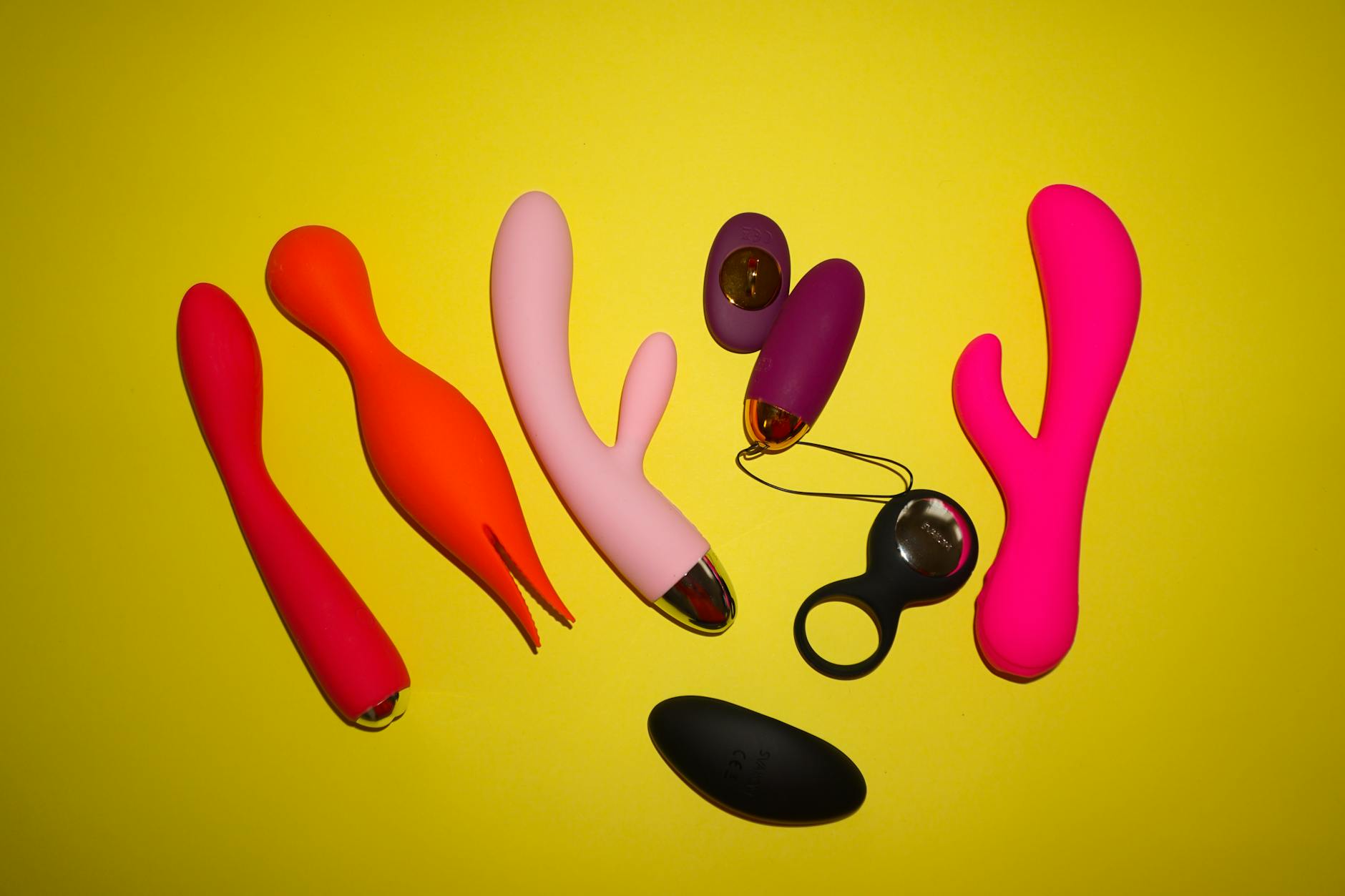
Here's what nobody tells you about menopause and pleasure
Menopause changes how your body experiences touch. It does not erase pleasure, but it reorganizes it. Most of what you've heard falls into one of two useless camps: "everything stops working" or "nothing really changes." Both are wrong, and both leave you confused when your body doesn't behave like it used to.
Let me be direct about the physiology first, then we'll talk about why lemon vibrators and other clitoral toys become genuinely better tools during this particular life stage.
What hormonal shifts actually do to sensation
When estrogen drops, your tissue composition changes. The skin on your vulva thins. Lubrication naturally decreases, not because you're broken but because the glands that produce it rely on estrogen signaling. The clitoral tissue becomes less engorged during arousal, which means sensation concentrates rather than spreads. Your pelvic floor muscles lose some tone and elasticity.
Now here's the part that matters more than most doctors explain: none of this means you stop having orgasms. It means your nervous system's wiring for pleasure stays intact. The clitoral nerves don't disappear. Your brain doesn't forget how to process sensation. What changes is the pathway to get there.
Testosterone also drops for people with ovaries. Yes, you make testosterone, and yes, it matters for desire. When it decreases, you might notice arousal takes longer to trigger. Your body doesn't automatically jump into gear the way it might have at 35.
Why lemon vibrators work differently (and often better) now
Lemon clitoral vibrators use suction and gentle pulsation rather than direct vibration. This matters enormously during menopause. Here's why.
Direct vibration can feel too intense on thinner tissue. Some people describe it as jarring or even painful after menopause. Suction works by creating a gentle seal and rhythmic pressure, which stimulates the entire clitoral complex without aggressive friction. The sensation is concentrated but not harsh.
Lemon adult toys also require less direct contact sensitivity to work effectively. If your clitoris is more retracted or feels less obviously responsive, suction stimulation reaches nerve endings that might otherwise feel understimulated. Many of my clients report their most powerful orgasms happen after they switch to a lemon vibrator during midlife. This is not coincidence.
The suction design also means you have more control over intensity without switching patterns. You can move slightly or adjust angle to dial sensation up and down within the same setting. That flexibility matters when sensitivity is unpredictable.
Physical adjustments that genuinely help
Three concrete changes make menopause-stage pleasure feel less like a puzzle.
First: water-based lubricant, every time. Not because something is wrong with you, but because thinner tissue absorbs moisture faster and benefits from additional glide. Silicone lube feels richer but damages silicone toys, so stick with water-based.
Second: extend your warm-up. Arousal takes longer to build. I usually recommend 15 to 25 minutes of touch, kissing, or external stimulation before introducing a lemon vibrator. This is not a burden. This is foreplay. Treat it that way.
Third: start at lower settings. The Lem and similar lemon clitoral vibrators have multiple intensity levels. Begin at pattern one or two. Your tissues will adapt, and you can increase from there. Speed is not the goal. Sensation is.
The emotional piece most doctors skip
Menopause often piles onto other transitions. Grown children leaving. Relationship shifts. Career changes. Grief. The body part gets all the attention, but the emotional landscape matters just as much.
Many people conflate hormonal changes with relationship distance or personal loss. Your body is responding differently, yes. But that feeling of disconnection might not be purely physical. It might be life. If you have a partner, separate the conversations. "My body is responding differently to touch" is not the same as "I want us to reconnect." Confusing them turns both into dead ends.
Menopause is also where many people first get permission to prioritize their own pleasure. Decades of partnered sex often centers someone else's rhythm, timeline, or preference. Post-menopause, that pressure softens. People discover that when they explore what they actually want, orgasms become deeper and more reliable.
When to bring in professional help
Pain during sex is not normal at any age and should never be ignored. Genitourinary syndrome of menopause, or GSM, is common and highly treatable. Often a topical estrogen cream, prescribed by a menopause-informed doctor, transforms sensation in weeks. The systemic absorption is minimal, and the relief is real.
If desire has completely flatlined and isn't returning after a few months, talk to a menopause specialist about testosterone therapy. It's prescribed more carefully in some regions than others, but it exists and works for many people.
A lemon vibrator is a tool, not a treatment. But it's a remarkably effective tool if you know how to use it during this phase of your life.
The deeper pattern most people miss
Here is what I've noticed across decades of working with couples: menopause is not where pleasure ends. It is where many people discover what pleasure actually means when they stop performing it for someone else.
Your body is not breaking. It is changing. The difference matters. A <a href="/blog/lemon-clitoral-vibrators-for-postpartum-recovery-and-reconnection">clitoral vibrator designed for sensitivity</a> becomes a more useful tool now, not because your body is worse, but because the specific design of something like a lemon clitoral vibrator matches how your nervous system is working in this season.
If you've used wand vibrators or traditional vibrators before menopause, you might find a lemon sucker works better now. The sensation is different. The control is better. And yes, many people describe their orgasms as more intense, not less.
FAQ: Your menopause and pleasure questions answered
Do lemon vibrators hurt if you have menopausal tissue thinning?
No, not when used correctly. The suction design of lemon clitoral vibrators is actually gentler on thinner tissue than direct vibration. Start at low intensity, use water-based lubricant, and adjust based on comfort. If any toy causes pain, stop and check with a doctor. Pain is never the goal.
How long does it take to feel sensation with a lemon vibrator after menopause?
Warm-up time extends during menopause, sometimes to 15-20 minutes. This is normal and not a problem. Many people find the longer buildup actually feels better. With a lemon clitoral vibrator, you'll likely feel something within a few minutes of starting, even if full arousal takes longer.
Can you use the same lemon vibrator settings before and after menopause?
Most people need to adjust. What felt right at 40 often feels too intense at 55. Start at a lower pattern than you used before. You can always increase, but you can't unsensitize yourself. Think of it like adjusting volume rather than replacing the speaker.
Is it normal for orgasms to feel different after menopause?
Completely normal. They might feel more concentrated. Some people experience waves instead of a peak. Others report sharper, more localized sensation. None of these are worse. They're just different. What matters is whether they feel good to you.
Should you use lubricant with a lemon sucker if you're naturally lubricated during menopause?
Yes. Even if natural lubrication is present, additional water-based lube reduces friction and makes suction-based lemon vibrators more comfortable. You're not fixing something broken. You're optimizing sensation. It's the same reason athletes use proper gear.
Will using a lemon vibrator help rebuild desire that disappeared during menopause?
Sometimes yes, sometimes no. If desire dropped due to hormonal shift alone, reintroducing pleasure through a tool like a lemon clitoral vibrator can help restart that pathway. If desire is connected to relationship distance or personal grief, the vibrator helps with the physical part, but the emotional part needs separate attention.
The bottom line
Menopause is not the end of your sexual life. It is the middle act, and in many ways, the most interesting one. Your body is not breaking. It is reorganizing. The specific design of lemon vibrators and lemon clitoral toys means they often align perfectly with how your nervous system is working in this season.
If you're navigating menopause and considering exploring pleasure in a new way, a lemon sucker or similar tool designed for this exact physiology can feel like permission finally arriving. Your pleasure matters now just as much as it ever did. Sometimes the right tool just makes that clearer.
Want to talk through what might work for your specific situation? <a href="/contact">Reach out</a>. I'm here to help.