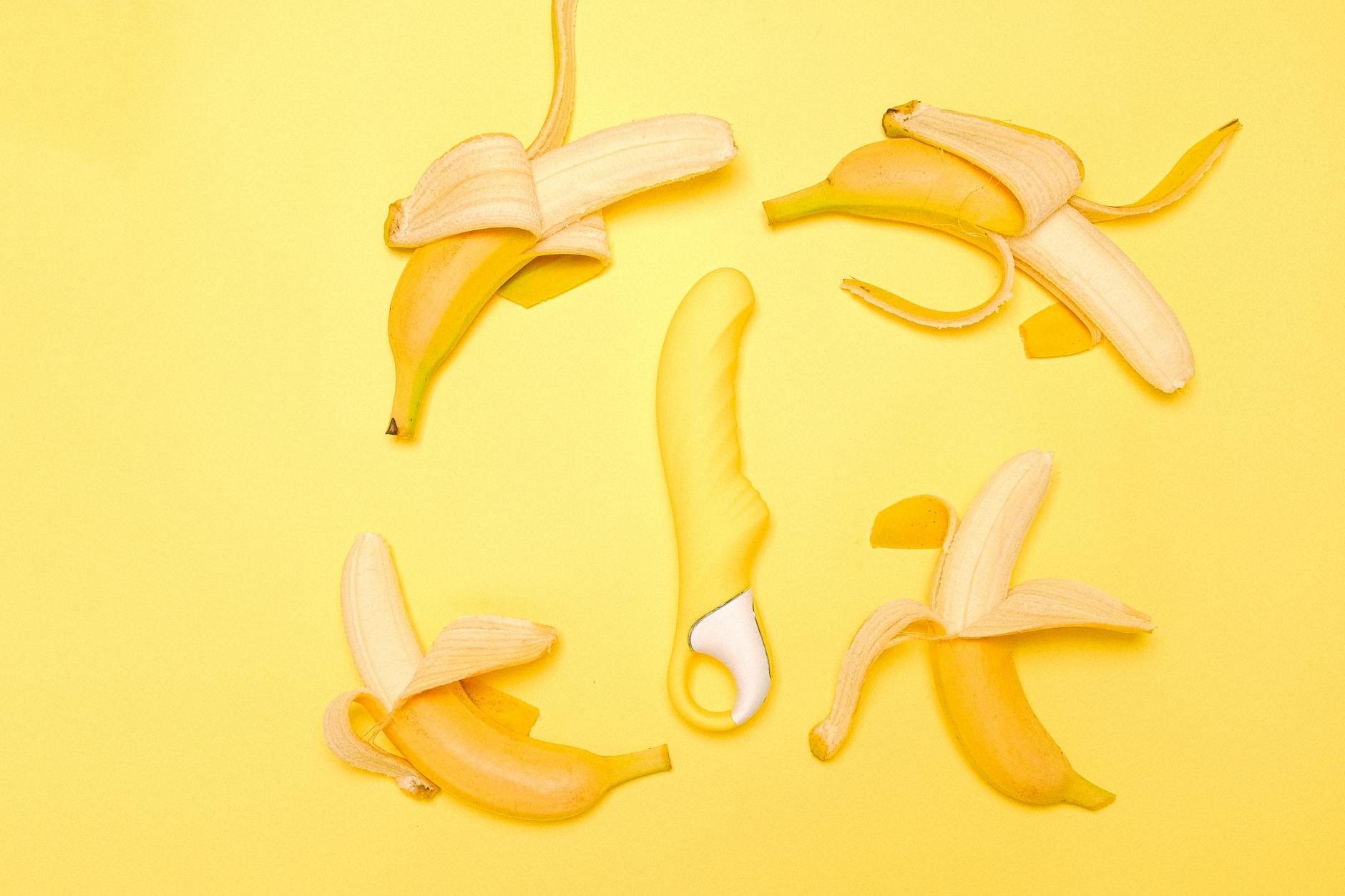
Let's talk about what makes suction different
If you've navigated pelvic pain—vulvodynia, endometriosis, vaginismus, or pelvic floor dysfunction—you know that most vibrators feel wrong. Not metaphorically. Literally wrong. Direct vibration on already sensitized tissue can trigger pain rather than pleasure. Enter the lemon vibrator. The Lem's suction-based design bypasses the problem entirely. Instead of hammering tissue, suction creates a gentle pressure wave that stimulates nerve endings without the friction.
This isn't a minor difference. For many people with pelvic pain conditions, it's the difference between pleasure being possible at all.
How suction feels fundamentally different from vibration
Traditional vibrators work through rapid, directional movement. Your clitoris gets stimulated through repeated contact and friction. For people with pelvic pain conditions, this feels like either nothing at all (due to nerve desensitization) or sharp discomfort (due to central sensitization, where your nervous system amplifies pain signals).
Suction works differently. The lemon clitoral vibrator creates a gentle, rhythmic pressure that pulls rather than pushes. This engages the nerve network around the clitoris without the same mechanical stress on the tissue. The sensation travels differently through your nervous system. Many people describe it as deeper, more resonant, less "surface noise."
Here's what matters clinically: suction stimulates the same nerves but through a different neural pathway. For people whose pain pathways have been sensitized, accessing pleasure through an alternative route can feel dramatically less triggering.
Why intensity levels matter more with a lemon clitoral vibrator
With traditional vibrators, you often need to turn the intensity up to feel anything. This can backfire. Higher frequency plus direct contact equals faster pain onset. The Lem's suction design means you can achieve meaningful sensation at lower intensities, which reduces the risk of triggering pain responses.
I typically recommend people with pelvic pain start at setting one or two—not as a warmup, but as their primary speed. Many find that's enough. The pressure sensation registers clearly without overwhelming nerve endings. As your body acclimates over weeks, you might move to three or four. Some people plateau at two forever, and that's completely fine.
The key difference: you're not chasing intensity to feel stimulation. You're using intensity to modulate comfort.
The role of arousal timing and patience
Pelvic pain conditions often slow down arousal. Your nervous system is in protective mode. It takes longer for blood to flow to the genitals, longer for the clitoris to engorge, longer for sensation to register as pleasure rather than threat.
With a lemon vibrator, this slower timeline actually works in your favor. Because you're not relying on intense vibration to feel anything, you can turn it on at lower settings during the long buildup phase. You're gently signaling your nervous system: "This is safe. Notice this." By the time you've spent 20-30 minutes at setting one, your body has permission to shift into pleasure mode.
Then, if you want to increase intensity, you're doing it from a place of arousal, not from a place of trying to force sensation. That shift changes everything neurologically.
External stimulation only: why the Lem works better than penetrative options
Many people with pelvic pain conditions find that penetration—whether with a partner or a toy—triggers pain. This is especially true for vulvodynia and vaginismus. The reflex response is involuntary. Your pelvic floor tightens. Pain signals fire.
The lemon clitoral vibrator is entirely external. Zero internal pressure. Zero pelvic floor trigger. For people who've spent months or years navigating pain during intimacy, this permission to engage pleasure without that threat response is transformative. You can lie back, relax your pelvic floor, and focus on sensation without the background anxiety of "Will this hurt?"
If you're working with a partner, this also shifts the dynamic. Instead of sex being something to manage or work around pain, clitoral pleasure becomes the main event. That's not a compromise. That's often more satisfying than the alternative.
Building tolerance and retraining your nervous system
Pelvic pain conditions live in the nervous system, not just in the tissue. Your brain has learned to interpret sensation as danger. Pleasure can actually retrain that response. But you have to approach it methodically.
Using a lemon vibrator at low intensity consistently—even just five minutes, twice a week—sends a steady signal: "Genital sensation can be safe and pleasurable." Over weeks and months, your nervous system recalibrates. The desensitization that made pleasure feel impossible starts to reverse. Pain responses that fire automatically start to quiet down.
This isn't magic. It's neuroplasticity. Your brain is genuinely rewiring what it expects from your genitals. For people with pelvic pain conditions, this is one of the most powerful tools available. Way more effective than white-knuckling through discomfort with a traditional vibrator.
Communication with partners during this process
If you're navigating pelvic pain in a relationship, using a lemon clitoral vibrator can feel vulnerable. Your partner might worry you're choosing the toy over them. Wrong framework. What's actually happening: you're creating a pathway to pleasure that works with your body instead of against it.
Here's what I tell couples: the Lem gives you permission to have an orgasm without pain. That is not less intimate than partnered sex. That is more intimate, because you're finally able to receive pleasure without bracing for hurt. Once you know your body can do that, partnered intimacy often becomes something you actually want to show up for, rather than something you're managing.
The conversation with your partner should be: "I found something that helps me feel pleasure without pain. I want to keep exploring that. I also want you to be part of that exploration if you're interested." Plenty of couples use lemon vibrators together. It's not a replacement. It's an option that didn't exist before.
When to see a specialist while using a lemon vibrator
Using a lemon vibrator is not a substitute for medical care. If your pelvic pain is new, severe, or hasn't been diagnosed, see a pelvic floor physical therapist or gynecologist first. Pelvic pain has treatable causes: infections, hormone shifts, structural issues, muscle tension patterns.
Once you have a diagnosis, a lemon vibrator can complement treatment beautifully. You're using it while doing pelvic floor relaxation exercises, while working with a therapist on the nervous system piece, while taking medication if prescribed. It's one tool in a toolkit.
If pain spikes when you're using the vibrator, that's not a reason to give up. It might mean the timing is off (you needed more arousal first), the intensity is too high, or your nervous system needs more time. Back off. Try again next week. The goal is consistency over intensity.
The pleasure permission you deserve
Living with pelvic pain teaches you to distrust your body. You learn to brace, to anticipate hurt, to see your genitals as a problem rather than a source of sensation. A lemon clitoral vibrator doesn't magically fix that belief. But it does offer evidence that pleasure is possible. That your body can respond to stimulation without pain. That you deserve to feel good.
Starting small—setting one, five minutes, low expectations—isn't settling. It's how nervous systems heal. It's how trust gets rebuilt. And it's often the doorway to something people with pelvic pain thought they'd lost forever.
FAQ: Lemon Vibrators and Pelvic Pain Conditions
Can I use a lemon vibrator if I have vulvodynia?
Yes, and suction is often gentler than direct vibration for vulvodynia specifically. Because the Lem creates pressure rather than friction, it bypasses the localized pain response that traditional vibrators trigger. Start at the lowest setting and increase only if it feels good. Many people with vulvodynia find that settings one and two are more than enough. The goal isn't intensity. It's gentle, consistent stimulation that teaches your nervous system pleasure is safe.
Will using a lemon clitoral vibrator make endometriosis pain worse?
Endometriosis pain is usually triggered by penetration or internal pressure, not external clitoral stimulation. Because the Lem is entirely external, it typically doesn't aggravate endometriosis pain. Some people find that orgasms (from lemon vibrator use) actually provide temporary relief from endometriosis cramping due to the muscle relaxation that follows. If you're in an acute pain flare, skip the vibrator. When pain is mild or absent, it's usually safe to explore. Listen to your body and stop if discomfort rises.
How long does it take to retrain your nervous system with a lemon vibrator?
Nervous system changes don't happen overnight. Most people report noticeable shifts in sensation after two to four weeks of consistent use. Real neuroplasticity—where pain responses quiet down and pleasure signals strengthen—often takes two to three months. That's not slow. That's actually fast, neurologically speaking. The key is consistency, not duration. Five minutes twice a week is more valuable than an intense 30-minute session once a month. Your nervous system responds to regular, gentle signals.
Is it normal for a lemon vibrator to feel like nothing at first?
Very normal. Pelvic pain conditions often come with desensitization. Your nerves have been protecting you by muting signals. Sensation gradually returns as your nervous system calms down. You might feel nothing in week one, a faint pressure in week two, and something closer to pleasure in week three. That trajectory is textbook. Patience is the most important thing you bring to this process. The sensation will come if you give your body the safety to notice it.
Can I use a lemon clitoral vibrator if my pelvic floor is hypertonic (too tight)?
Yes, in fact the Lem can be part of treatment for hypertonic pelvic floor dysfunction. Because it's external and creates gentle pressure rather than friction, it doesn't trigger the protective tension response that penetration does. Some physical therapists recommend using external clitoral stimulation as part of pelvic floor relaxation training. Always coordinate with your pelvic floor PT before adding anything new. They may have specific guidance based on your particular pattern of tension.
What if I'm on pain medication? Will a lemon vibrator still work?
Pain medications don't block clitoral sensation the way they might block other types of sensation. Some people find that pain relief from medication actually makes pleasure more accessible because they're not bracing against discomfort. That said, some medications (particularly certain antidepressants) can affect arousal and sensation. If you notice numbness or difficulty with arousal, talk to your prescriber. They might adjust timing, dosage, or medication. A lemon vibrator is usually compatible with pain management, but your medical team should know you're exploring pleasure as part of your healing.
Moving forward with pleasure and pelvic health
Pelvic pain is real. It's not psychological. But healing it often requires retraining how your nervous system interprets sensation. A lemon vibrator offers a pathway to pleasure that doesn't fight your body or trigger pain. It's a tool for nervous system recovery, not just orgasm.
You deserve pleasure. Not someday, when the pain is gone completely. Now. Starting where your body is, at whatever pace feels safe. That's not wishful thinking. That's clinical evidence. And for many people navigating pelvic pain, it's the permission they've been waiting for.
If you're curious about exploring this with guidance, or if you have questions about which approach might work for your specific situation, reach out. That's what we're here for.