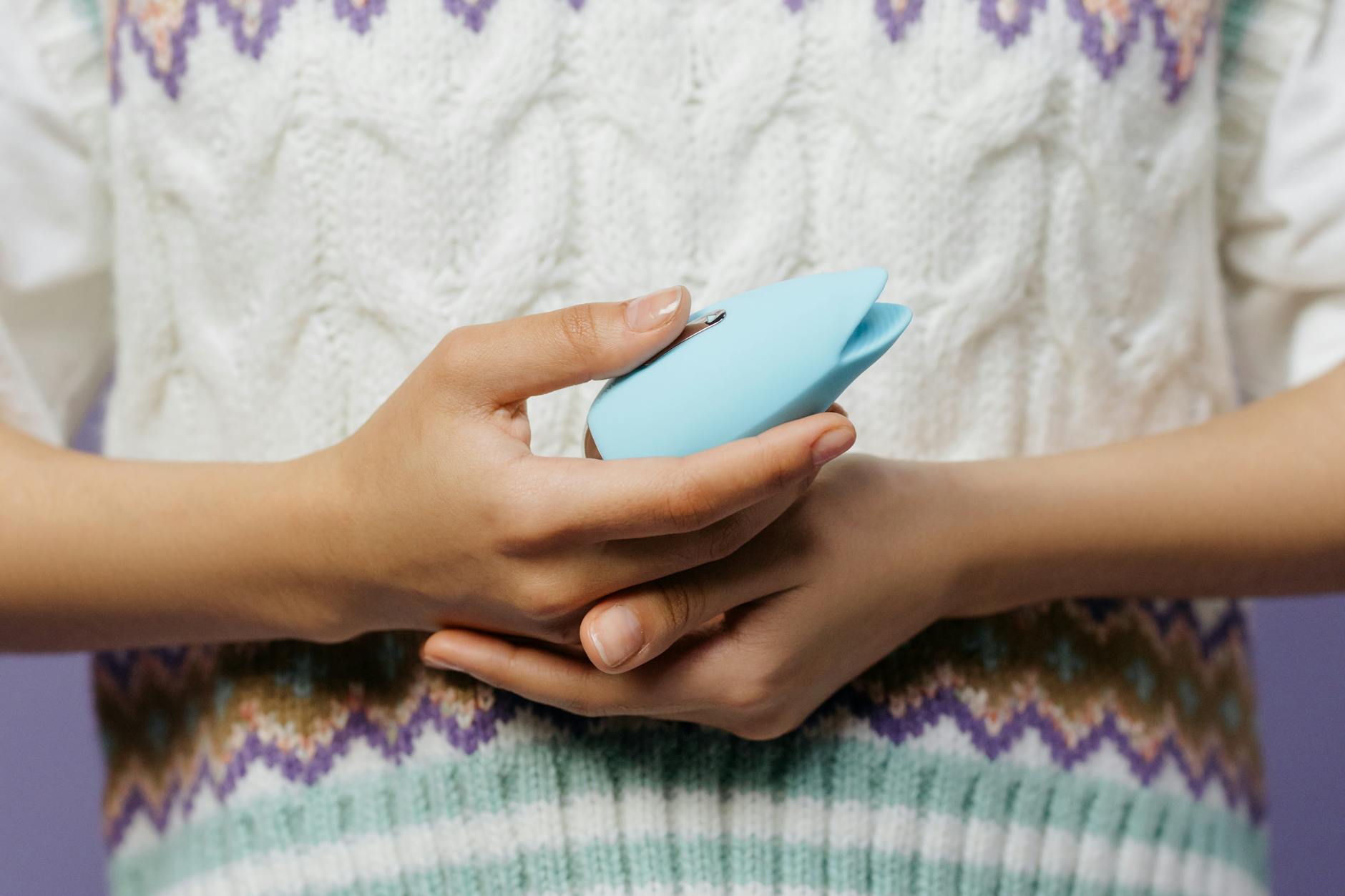
Why Lemon Vibrators Feel Different When Cycling Through Birth Control
Let's be real. Nobody explains what birth control does to pleasure. Your doctor talks about periods and pregnancy prevention. Your friends talk about side effects like weight gain or mood shifts. But the quiet change that hits your nervous system, your arousal speed, and how your body responds to a lemon clitoral vibrator? That stays invisible until you're three months in and wondering if you've lost interest in sex entirely.
You haven't. Your hormones have just rewritten the rules.
The hormonal shift nobody mentions
Birth control works by flooding your body with synthetic estrogen and progestin, or progestin alone, depending on your method. These aren't the same hormones your body makes naturally. They're close enough to trick your reproductive system, but different enough to reshape how your nervous system responds to touch.
The effect varies wildly depending on the type. Combined oral contraceptives (the ones with both hormones) hit differently than progestin-only pills. Hormonal IUDs create a different picture than implants. The dose matters too. A high-estrogen pill is not the same as a low-dose one.
Here's what typically happens: arousal takes longer to build. That quick spark you might have felt before? It softens into a slower burn. Some people find it easier to relax into pleasure. Others feel like they're pushing uphill.
Why sensation changes mid-cycle
If you're on a combined pill, you're not cycling through your full natural hormone range anymore. You get a steady dose of synthetic hormones for three weeks, then a drop during your period week (or placebo week). That drop can temporarily restore some of your natural responsiveness, which is why many people notice a shift in desire and sensation right before or during their period, even while taking the pill.
This matters for lemon vibrators and other clitoral toys because your tissue thickness changes slightly with hormonal fluctuations. Thinner, more sensitive tissue needs a gentler approach. Thicker tissue can handle more intensity. On the pill, you're usually sitting in a middle zone where sensation is more muted overall.
Progestin-heavy methods (like the hormonal IUD or progestin-only pill) tend to dampen arousal more noticeably because progestin is more depressogenic. It's the hormone most associated with lower desire, quieter orgasms, and a general mellowing of sexual interest. Some people love this. Others feel disconnected from their own pleasure.
When sensation hits hardest
Your best windows for feeling intensity on lemon vibrators usually come right before your period or during your period week, even if you're on hormonal birth control. This is when synthetic hormone levels drop and your natural neurotransmitters (like dopamine and norepinephrine) briefly spike.
If you notice you only really feel pleasure or want penetration or stimulation during a few days of the month, that's not broken. That's the birth control talking. Your body is working correctly within the artificial hormone system you've introduced.
Conversely, the week after your period starts (when you restart active pills or your hormonal dose is rebuilding) is often when arousal feels flattest. This is the toughest time to expect an orgasm. It's also the worst time to judge whether you actually enjoy sex. You're working with suppressed dopamine and a nervous system still adjusting to rising synthetic hormones.
The clitoral vibrator adjustment that actually works
If you're on birth control and your lemon clitoral vibrator feels less responsive than it used to, here's what usually helps:
1. Extend your warm-up window. Add five to ten minutes of foreplay, solo exploration, or mental arousal time before you touch the vibrator. Your brain needs more time to signal down to your pelvis when synthetic hormones are suppressing baseline dopamine.
2. Start at a lower intensity setting. The Lem and similar clitoral vibrators have a range of patterns and intensities. On birth control, many people find patterns 1-3 feel better than jumping straight to maximum power. Your tissue is slightly desensitized, but that doesn't mean you need more force. Often it means you need steadier, gentler stimulation.
3. Vary the pattern, not just the intensity. Clitoral vibrators with multiple patterns (not just "on and off") can feel more engaging when simple vibration feels muted. The rhythm and texture variation keep your nervous system interested.
4. Track your window. If you notice arousal is strongest a few days before or during your period, schedule solo time then. This isn't giving up or accepting less pleasure. It's working with your biology instead of pretending it's the same all month.
When to consider switching methods
Not all birth control affects pleasure equally. If you've been on a hormonal method for three months and sensation hasn't returned, or if desire has tanked, it's worth exploring alternatives.
Copper IUDs (non-hormonal) preserve your natural hormone cycle, so many people report their arousal patterns feel "normal" again. Barrier methods (condoms, diaphragms) have zero systemic hormone impact. The trade-off is that they require more logistics and aren't as effective at preventing pregnancy or managing periods.
If you like the ease of hormonal birth control but want better sensation, talk to your doctor about trying a different formula. A lower-dose pill, a different progestin, or switching from pills to a patch might shift things. Some doctors are hesitant to discuss this, but it's a legitimate medical conversation.
Birth control doesn't kill pleasure. It just changes the map. Once you know where the pleasure still lives, you can find it.
The partner conversation you need to have
If you share a bed with someone, they'll probably notice the shift in your arousal speed or desire before you do. The impulse is to hide it or assume something's wrong with the relationship. Usually it's just biology.
The most useful conversation isn't "I'm not as interested in sex." It's "My arousal works differently on this birth control, and I need more warm-up time" or "I feel most interested mid-cycle, so let's plan for that." This turns a source of shame into shared logistics. Your partner isn't waiting for you to spontaneously want them. You're both working together toward pleasure that fits your actual body.
FAQ: Birth Control and Pleasure
Can birth control permanently change how pleasure feels on a lemon vibrator?
No, but it can feel that way. The changes are reversible. If you stop using hormonal birth control, your natural hormone cycle will return and sensation typically rebounds within one to three months. During that adjustment period, everything might feel heightened or off-balance. That settles down.
Is lower arousal on birth control a sign I should stop taking it?
Not necessarily. Lower arousal is common and manageable. What matters is whether it bothers you enough to change methods. Some people don't care about a slight shift in desire. Others find it dealbreaking. Both are valid. Talk to your doctor about alternatives if this one doesn't fit your life.
Why does my partner say my orgasms feel different on birth control?
They might be. Hormonal birth control can reduce pelvic floor tension slightly and affect the intensity or shape of orgasmic response. Your partner might notice a shift in rhythm, strength, or duration of contractions. This isn't bad, just different. It usually takes time to adjust to.
Can I use a lemon vibrator more intensely to compensate for dulled sensation?
You can try, but it often backfires. Increased intensity on already-desensitized tissue can cause irritation or numbness without increasing pleasure. A better approach is to extend warm-up time and try different patterns. More stimulation isn't always the answer when less sensation is the real issue.
Does the progesterone-only pill affect pleasure differently than combination pills?
Yes, usually more noticeably. Progestin is the hormone more strongly linked to lower desire and flatter arousal. If you've tried a combo pill and it felt okay, but a progestin-only method killed your interest, that's a real biochemical difference. Switching back or trying a non-hormonal method makes sense.
What if I want better pleasure and I'm not willing to switch birth control?
Work with what you have. Extend warm-up, strategically time solo sessions during your best window, use lower intensity settings on your lemon clitoral vibrator, and talk openly with your partner about timing. You can absolutely have good sex on birth control. You're just optimizing for the body you actually have, not the one you wish you had.
Your pleasure matters as much as your birth control's effectiveness. Both can coexist with a little planning and honest conversation about what your body needs right now.