Here's the thing about depression and pleasure
Depression is a numbing agent. Not a switch that turns off just sex. It turns off pleasure itself. Food tastes like cardboard. Sunlight feels gray. And your body's capacity to feel anything, including orgasm, gets muted like someone turned down the volume on the entire world. You're still technically capable. The hardware is fine. But nothing registers the way it used to.
When you start healing, the return of pleasure doesn't happen all at once. And it definitely doesn't happen in the order you'd expect. You might feel joy about a conversation before you feel hunger. You might crave sex before you actually experience arousal. And when you finally reach for a lemon vibrator or any clitoral vibrator after months of numbness, the sensation might confuse you at first. That's not a sign something's broken. It's a sign your nervous system is waking up.
Let me walk you through what actually happens, neurologically and practically.
How depression affects pleasure pathways
Depression doesn't destroy nerve endings or delete your capacity for orgasm. What it does is suppress dopamine and serotonin, the neurotransmitters that make pleasure feel pleasurable. Your clitoris receives stimulation. Your brain receives the signal. But somewhere in the middle, the feeling gets caught behind a wall of chemical flatness.
This is why medication matters and also why it complicates things. SSRIs and other antidepressants bring serotonin back online, but they can also flatten sexual response as a side effect, especially in the first weeks. That's a different problem than depression itself, but it feels similar, which is maddening. You're healing and your body's rebellion against pleasure intensifies.
The good news. Antidepressant sexual side effects are often temporary and negotiable. Depression's numbing is not. If you're on medication and feeling like lemon vibrators or any sexual toy feel less effective than before, give it six to twelve weeks. Your body's sensitivity usually returns.
What changes as you heal
Recovery isn't linear, and neither is pleasure recovery. Here's what typically happens, though everyone moves at their own pace.
First, emotional response returns before physical sensation. You'll laugh at a joke genuinely before you feel aroused by touch. That's normal. Your brain's reward systems are rebooting in layers.
Second, you'll notice that arousal takes longer to build. This isn't new numbness. It's just that the accelerated path to excitement hasn't fully returned yet. A lemon clitoral vibrator that used to bring you to orgasm in five minutes might now take fifteen. That's progress, not regression.
Third, intensity might feel different. Some people report that sensations feel sharper or almost too intense at first, like your nervous system is overcompensating after the numbing. Others say everything feels muted for a while longer. Both are normal. Your nervous system is recalibrating.
Why lemon vibrators work differently during recovery
Lemon vibrators and other clitoral vibrators rely on consistent, rhythmic stimulation. When your nervous system is still sensitive or re-sensitizing, that consistency actually helps more than it would otherwise. You're not chasing a feeling. You're letting the sensation build methodically.
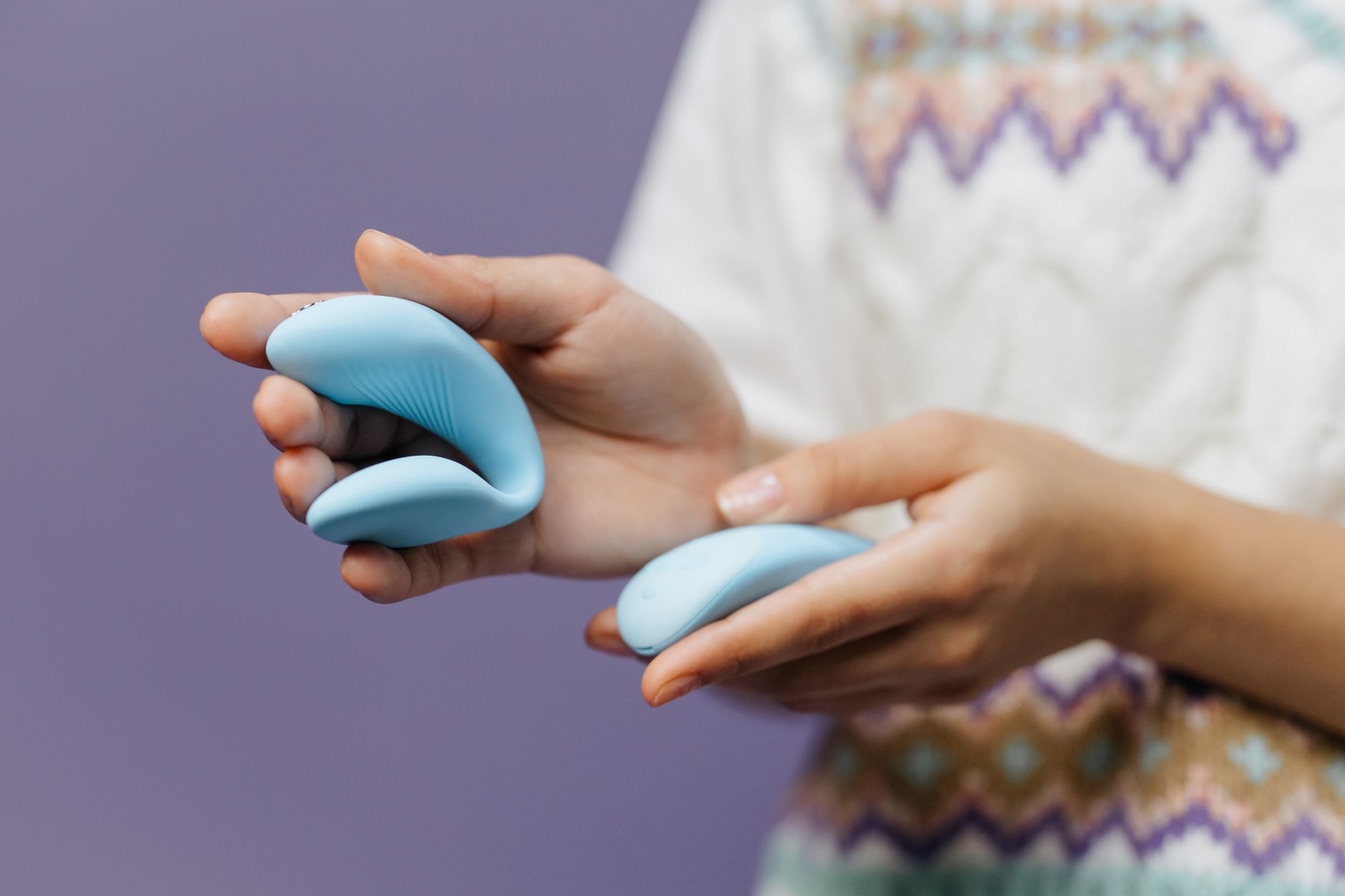
The suction design of a lemon vibrator creates a different kind of stimulation than traditional vibrators. Instead of direct friction, you're getting rhythmic pressure changes that activate nerves without requiring intense focus or engagement. During depression recovery, that can feel less demanding. You don't have to perform arousal. You can just receive it.
Start at the lowest pattern. Lem vibrators have multiple patterns, and when you're rebuilding pleasure, you want gentle. There's no prize for jumping to pattern five. Your body will tell you when it's ready.
Use lube, even if you normally wouldn't. Depression recovery often comes with dryness, especially if you've been stressed, medicated, or just not engaged with your body. Water-based lube makes the experience feel less like work and more like actual pleasure.
The difference between numbness and discomfort
This matters more than you might think. If you're healing from depression and you reach for a lemon clitoral vibrator, pay attention to what you feel.
Numbness is the sensation not registering. You feel the vibration physically but it doesn't create pleasure. It's like touching your arm when you're under anesthetic. There's sensation but no feeling.
Discomfort is different. It's when the stimulation causes actual pain or sharp sensitivity. Discomfort means stop. Numbness means keep going, maybe adjust the pattern or intensity, but keep going.
During healing, you might experience both at different times. That's your nervous system learning to feel again. It's weird and sometimes frustrating, but it's not dangerous.
When to see a therapist about pleasure recovery
If you're six months into depression recovery and pleasure still hasn't returned at all, and you're taking a stable dose of medication that was supposed to help, bring it up with your doctor or therapist. Sometimes it's the medication itself. Sometimes it's a sign your depression needs different support. Sometimes it's just taking longer than average for you, and that's fine too.
If using a lemon vibrator or any clitoral vibrator triggers anxiety or brings back trauma responses, that's worth exploring with a trauma-informed therapist. Depression recovery and pleasure recovery aren't the same thing. You can be emotionally better and still need support around sexuality.
If you're using stimulation, including lemon sexual toys or adult toys of any kind, as a way to numb other feelings coming back, pause and notice. Sometimes we unconsciously use pleasure-seeking as a new avoidance. That's not a character flaw. It's a signal that you might need a different kind of support.
Practical steps for getting back there
Start alone. Pressure and performance are the enemies of pleasure recovery. You need time to reconnect with your own body without anyone else's expectations.
Use a lem vibrator or another clitoral vibrator you've enjoyed before, not something brand new. Your nervous system knows it. There's familiarity there.
Season it with foreplay. Even if you feel numb, spend twenty minutes exploring your body before you introduce the vibrator. Stroking your skin, noticing temperature, breathing. You're inviting your nervous system back online.
Honor what pleasure feels like now, which might be quiet. A soft, building sensation is still pleasure, even if it doesn't look like the fireworks version you remember. Recovery pleasure is often more textured and less climactic. Both are real.
Don't expect orgasm to be your metric. Sometimes during healing, the goal is just sensation without outcome. That sounds antithetical to using a vibrator, but it's not. A lemon vibrator can be a tool for reconnection, not just for getting off.
When you're healing with a partner
If you're rebuilding pleasure in the context of a relationship, this needs a separate conversation from the depression itself. "I'm having trouble with sensation" is different from "I need us to reconnect." Both might be true, but lumping them together creates confusion.
Let your partner know what you're experiencing without burdening them with fixing it. "I'm relearning how my body feels right now. I need patience and no pressure" is clearer than silence followed by resentment.
Using a lemon vibrator or clitoral vibrator together can actually help. It removes the "am I normal" anxiety and introduces novelty that doesn't require you to perform arousal. You're both there, you're both curious, and there's an object doing the work. Less pressure on you to be turned on on demand.
But first, heal alone. Get reacquainted with your own nervous system before you invite someone else into it.
The long view
Depression healing isn't the same as pleasure healing. Your brain chemistry might stabilize while your sexual response is still catching up. That's okay. Your nervous system isn't broken. It's being rebuilt, and that takes time. A lemon vibrator can be part of that rebuilding. A tool. Not a proof that you're better, but an invitation to notice what's starting to feel good again.
Your pleasure matters. It's not frivolous. It's part of your full recovery. And it will come back. Maybe not exactly like it was before. Maybe better.