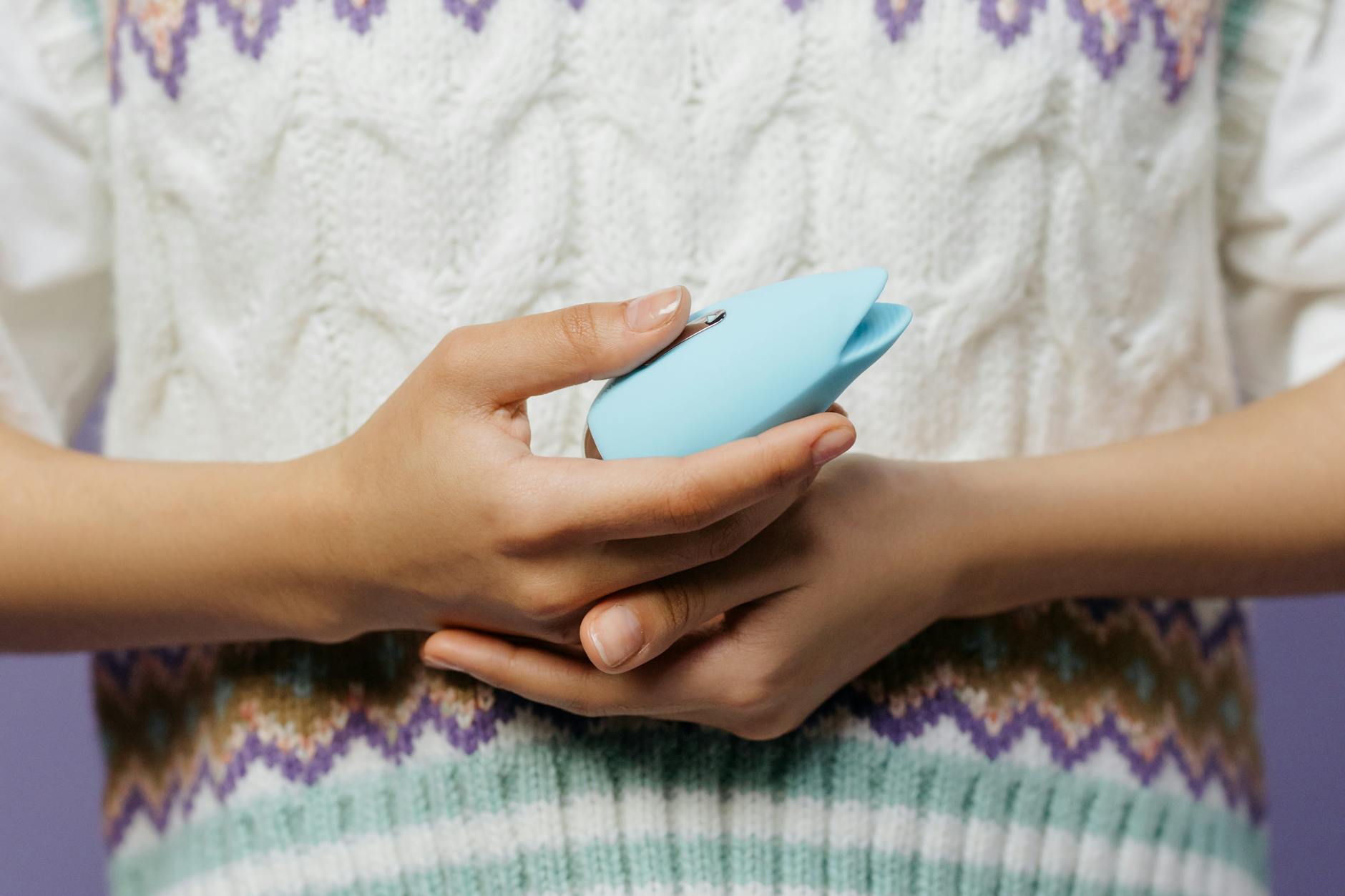
Let's start with the real thing
Long-term relationships don't kill desire. They weaponize familiarity against it. You know your partner's body so well that surprise becomes almost impossible, which means the nervous system isn't getting the signal it evolved to crave: newness, unpredictability, slight risk. A lemon vibrator changes this equation, but not in the way you might think.
After a decade with someone, bringing pleasure tools into the bedroom isn't about fixing a broken connection. It's about creating permission to feel differently together. Here's what actually shifts.
How long-term bonding changes your nervous system
Science calls it "habituation." Your brain literally stops registering familiar stimuli the same way. After years of the same touch, the same patterns, the same rhythm, your nervous system becomes efficient at it. Efficient is code for: less exciting.
This isn't failure. It's biology doing its job. Long-term partnerships prioritize trust and safety, which are neurologically different from novelty and arousal. The brain can hold both, but they require different conditions to activate.
When you introduce a lemon clitoral vibrator, you're not adding stimulation your partner can't provide. You're introducing an element neither of you fully controls. The sensations are different. The focal point shifts. The rhythm is something you choose, not something negotiated between two bodies.
For many long-term couples, this permission to experience something separate, even while together, is what shifts the entire energy.
Why sensation tools work better in established relationships
Three reasons this matters after years together:
First, you've already built trust. A new couple using a lemon vibrator might feel performance pressure, self-consciousness, or worry about comparison. You've been naked with this person for years. The embarrassment isn't there anymore (or shouldn't be). That actually makes space for genuine curiosity.
Second, you know what you want. Early-relationship sex is discovery. Long-term sex is refinement. You're not learning about your body for the first time. You know exactly what works, which means you can be specific about what you're exploring. A lemon sucker gives you control over intensity and pattern in ways fingers don't.
Third, novelty becomes a joint project, not a threat. New relationships often feel threatened by toys, as if they're a replacement. Long-term couples are usually smart enough to see a lemon vibrator as a collaboration. You're both saying: "Let's try something different together." That's actually quite intimate.
The pleasure paradox in long-term partnerships
Here's where it gets interesting. Couples who've been together for 10, 15, 20 years often report stronger orgasms when introducing new sensation tools, even though they're having sex more frequently than early-relationship couples. This sounds backward.
It's not. Frequency without novelty creates a kind of sensory white noise. Your body is satisfied but not surprised. A lemon clitoral vibrator interrupts that pattern. The surprise element actually amplifies the neurological response.
One thing I've noticed in couples therapy: when both partners use the same tool, or take turns controlling it, something shifts in the dynamic. You're no longer performing for each other. You're experimenting together. The locus of pleasure becomes less about "Am I doing this right for them" and more about "What does this feel like."
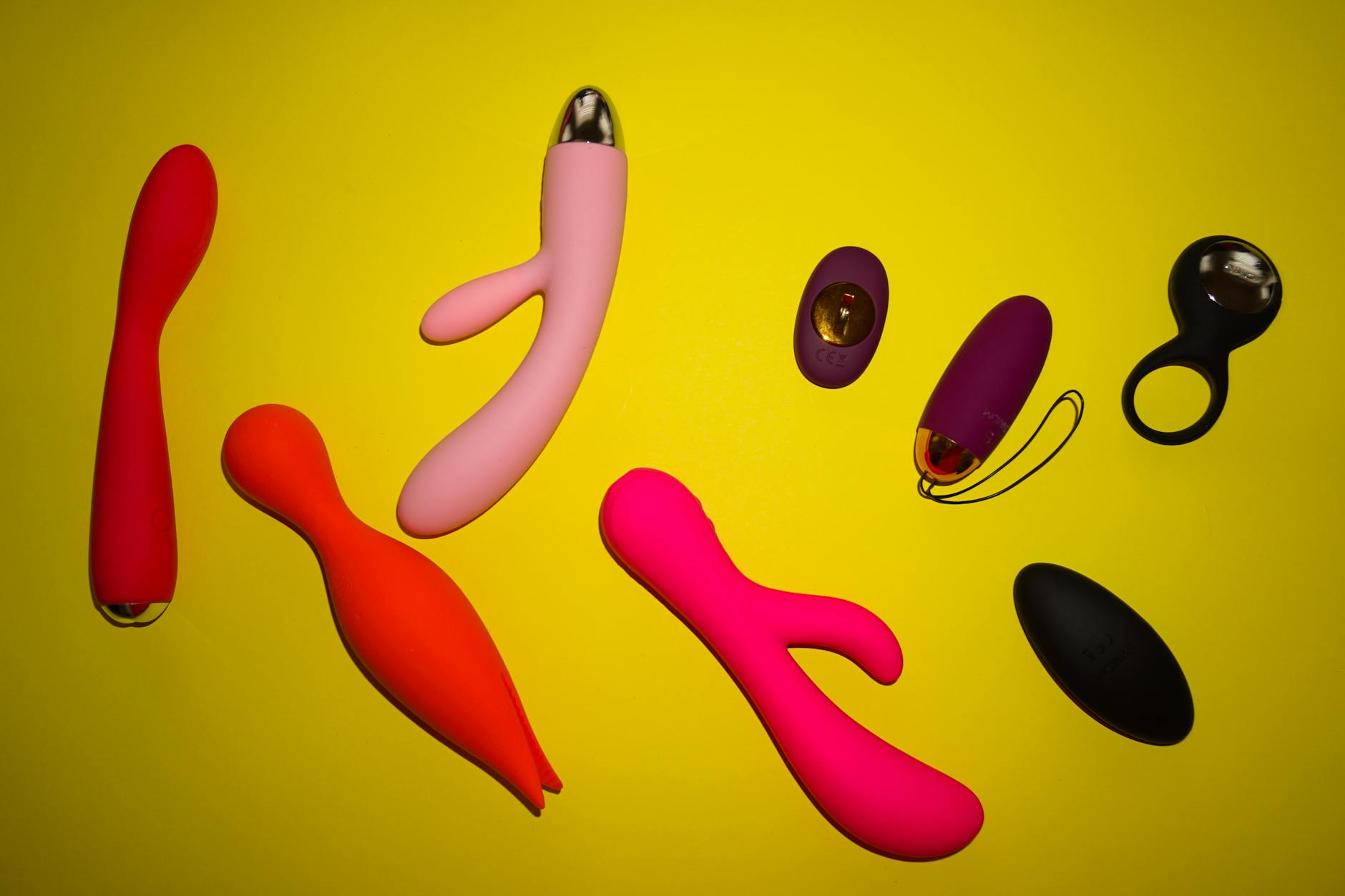
Photo by FounderTips on Pexels
For long-term relationships specifically, that shift is everything. You move from performance mode to presence mode. And presence is what actually maintains desire over decades.
The communication that has to happen first
Introducing a lemon vibrator into a long-term relationship isn't just a logistics question. It's a relationship question, which means the conversation matters more than the toy.
Honestly, the worst introduction is "I want to try this because something's missing." That activates a threat response. The right framing is: "I want to feel something different, and I want you there while that happens." Different emotional valence entirely.
In my experience, the couples who report the most satisfaction with toys in long-term relationships are the ones who came to the conversation from curiosity, not deficit. "I'm wondering what this would feel like" is completely different from "I'm not satisfied with you."
If your partner is hesitant, slow down. Don't overcomplicate it. Let them hold it. Let them control it first. Let them see it's not a threat to them, but an expansion of you.
What changes when you're actually using it together
When a couple who's been together for years brings a lemon vibrator into their routine, several things shift:
First, pace slows down. Knowing exactly what each other wants after a decade means sex can become rote and fast. A new sensation tool naturally extends the experience because neither of you knows exactly what's about to happen. There's attentiveness in that uncertainty.
Second, the focus becomes distributed. Instead of attention being entirely on the penetrative partner or the receiving partner, there's a third point in the equation. A lemon sucker creates its own focal point. That actually reduces performance pressure on both sides. You're not the only source of pleasure your partner is experiencing. That's oddly liberating.
Third, orgasms often feel different. After years of the same pattern, when sensation changes, the whole response chain can shift. Some couples report multiple orgasms become more accessible. Others report deeper, more sustained responses. The baseline changes, which means pleasure itself feels renewed.
The logistics that smooth everything
After years together, you know what kills momentum: uncertainty about basics. Here's what actually helps with a lemon clitoral vibrator in a long-term partnership:
Water-based lubricant, always. Tissues change over time, and life stress depletes natural lubrication. A good lube isn't a compromise, it's a tool.
Battery life matters more than you'd think. Nothing ends arousal faster than a toy dying mid-session. Check batteries.
Start with lower intensities and work up. If you've been together for years, you might assume your partner can handle maximum sensation. They can probably handle it, but they might prefer building up. Novelty feels better when it's graduated.
Clean it after. Long-term couples who maintain pleasure are often the ones who keep basics simple. Clean, dry, stored somewhere you can access it without embarrassment when the moment happens.
Why novelty matters more in your 30s, 40s, and beyond
There's a misconception that couples need the most novelty in the first few years. Actually, the opposite is true. New relationships run on neurochemical novelty. The brain is flooded with dopamine naturally. You don't need tools because your nervous system is already firing.
After a decade, that chemical advantage is gone. The partnership is built on attachment and comfort instead of novelty. Which is healthier long-term, but it requires intentional effort to maintain desire.
A lemon vibrator, or any new sensation tool, becomes more important to long-term couples than to new ones. It's not a luxury addition. It's actually the thing that allows pleasure to continue evolving as your partnership matures.
The couples who come to me saying "We've been together 20 years and sex is still exciting" almost always mention some version of intentional exploration. Sometimes that's a toy. Sometimes it's a new location or ritual. The common thread is: they made pleasure an ongoing conversation, not a settled thing.
When to introduce it (and when not to)
Timing matters. If your relationship is in genuine crisis, a lemon vibrator won't fix that. It might actually create more friction because you're treating a communication problem with a sensation solution.
But if your relationship is solid, trust is there, and what's missing is just novelty and presence, then a clitoral vibrator is actually a conversation starter. It forces you to talk about what feels good, what you want to explore, what vulnerability looks like in a decade-long partnership.
The couples I've seen thrive with toys are the ones who treat it like an experiment, not a solution. "Let's see what this is like" is the right energy. "This will fix our sex life" is the wrong one.
The deeper thing nobody talks about
Here's what I notice in long-term couples who integrate pleasure tools successfully: they're not trying to recreate early-relationship excitement. They're building a different kind.
New-relationship desire is about discovery. Long-term desire is about deepening. A lemon clitoral vibrator won't make you feel like you're dating again. But it can make you feel present in your body in a way that routine has eroded. And that presence, that attention, is actually the thing desire needs most.
Your body changing over time, your partner's body changing, the ways life demands your attention, all of that is real. A tool doesn't erase that. But it can create a moment where you're both saying: "Your pleasure still matters to me. Let's figure out what that looks like now."
That's what long-term relationships need. Not the spark of year two. The intention of year twenty.
FAQ
Why do lemon vibrators feel different with a partner than alone?
Alone, a lemon vibrator is about sensation and release. With a partner, there's an emotional and attentional dimension. Your partner is there, watching, choosing the intensity, adjusting the pace. That presence changes the neurological response. Pleasure becomes less about pure physical stimulus and more about connection happening through sensation. Additionally, psychological safety shifts differently when someone you trust is involved. Many people report that they're more relaxed, which paradoxically allows for more intense responses.
Can a lemon clitoral vibrator help a long-term relationship that's become routine?
Not by itself. A vibrator can create novelty, but novelty without communication is just a new toy that eventually becomes routine itself. What actually helps is using the tool as an entry point to a deeper conversation about pleasure, desire, and what you each need. If you use it as "we're trying something new together" rather than "this will fix us," it can absolutely shift the energy. The tool is the excuse to pay attention to pleasure again.
Is it normal to feel self-conscious about using a toy with a long-term partner?
Completely normal. Paradoxically, long-term couples often feel more self-conscious introducing toys than new couples do. You've built an identity as a couple, and change feels like criticism of what already works. It's worth naming: trying something new isn't a comment on the past. It's about where you go next. That conversation usually dissolves the awkwardness faster than the toy itself does.
How do you bring up using a lemon vibrator if your partner hasn't mentioned interest?
Start curious, not prescriptive. "I've been thinking about trying something different" is better than "We need a vibrator." Give them agency. Let them be the one to suggest trying it, or to agree to explore it. Some couples find it easier to browse together, making it a joint discovery rather than one person proposing. The Lem vibrator is straightforward enough that holding it together, talking about how it works, usually feels less loaded than when toys seem more complicated or intimidating.
Can a lemon sucker work for all body types in long-term partnerships?
Clitoral vibrators and suction toys work across body types, but sensitivity changes with age, medication, stress, and hormonal fluctuation. In long-term relationships, your partner knows your body pretty well. What worked five years ago might need adjustment now. The advantage of a tool like a lemon vibrator is that you can control intensity and pattern independently of your partner's physical capacity. Someone with arthritis or a partner with strength limitations can still create varied sensation. It's actually quite accessible.
Does using a vibrator together change the dynamic between partners?
Yes, almost always for the better if both partners are willing. The dynamic shifts from performance toward presence. Instead of one person focused on doing it right, you're both focused on sensation and response. It's less about getting to a destination and more about paying attention along the way. That presence, paradoxically, often strengthens intimacy. You're not performing for each other anymore. You're exploring together.
Long-term relationships don't fail because desire fades. They fail because couples stop paying attention to what desire actually needs at each stage. A lemon vibrator isn't a fix. It's an invitation to notice your partner again, to notice yourself, and to build novelty together instead of waiting for it to happen naturally. That intentionality is what sustains pleasure over decades.
If you're wondering whether to introduce one, the question isn't really about the tool. It's about whether you're ready to have a deeper conversation about what pleasure means to you both now. If the answer is yes, the tool is just the opening.